Educational and material poverty: two sides of the same coin
Eurochild member Con i bambini brought a delegation of Italian children to the European Parliament to discuss poverty and wellbeing, highlighting the Fund for Combating Child Educational Poverty – an initiative supporting over 800 projects and half a million children – alongside a new documentary and campaign exploring the link between educational poverty, mental health, and the role of schools and communities in tackling inequality.
The meeting “Educational Poverty and Adolescent Well-being: A European Challenge” took place on 3 March at the European Parliament and was organised within the framework of the Fund against Educational Poverty in Children and Youth in Italy, established in 2016 through an initiative by the Italian Government, banking foundations and the National Third Sector Forum.
Marco Rossi-Doria, President of Con i bambini, explained at the event that areas with the highest levels of low-income families are often also those with fewer libraries, school gyms and sports clubs, as well as higher rates of school dropout. He also emphasised that “investing in educational communities produces concrete and measurable results. The more than 800 projects supported across Italy represent a laboratory of social innovation that can make a significant contribution to the European debate. It is necessary to continue building broad alliances among institutions, schools, the third sector and families, while promoting the active role of young people.”
In her speech, MEP Caterina Chinnici, who hosted the event and is Co-Chair of the Intergroup on Children’s Rights, stated: “Educational poverty is not only a lack of economic resources, but also the deprivation of opportunities, experiences and essential tools for the full development of young people. For this reason, it is crucial to strengthen the European commitment by supporting initiatives such as the European Child Guarantee and promoting a common strategy against educational poverty.”
Serena Angioli, from the Permanent Representation of Italy to the European Union, emphasised the importance of the educational role of sport as a tool for preventing and combating educational poverty. “I hope that this Italian good practice, the Fund for Combating Child Educational Poverty, may serve as an inspiration for other European countries.”
The well-being of young people
Some data:
- 13.1% – School dropout rate among young males;
- 65,000 hikikomori in Italy – students aged 11 to 17 showing tendencies towards social withdrawal;
- +10% – Increase in minors accessing emergency departments for eating disorders;
- 100,000 11–17-year-olds show characteristics consistent with social media addiction.
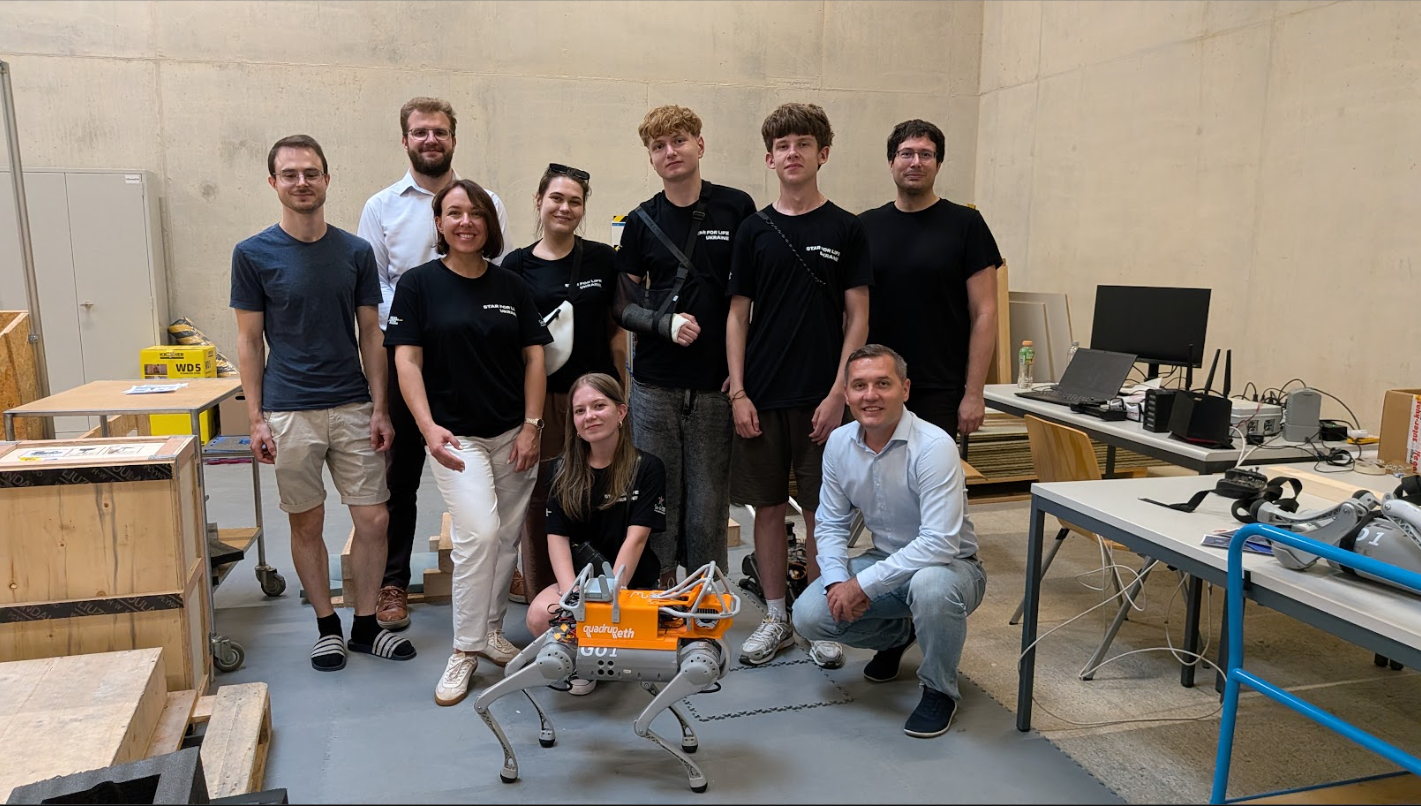
At the centre of the meeting was the active role of young people themselves. A delegation of 16 Italian children and young people took part in the discussions, sharing their experiences, needs, and concrete proposals with European institutions. Their testimonies highlighted how essential it is to create genuine spaces for listening and active participation in decision-making processes that affect younger generations.
One of the examples of projects they took part in is a school web radio, which they created together with their teachers during the COVID-19 lockdowns, and which allows young people to share their feelings and thoughts without the pressure, fleeting attention spans, or emphasis on physical appearance typical of social media.
The campaign
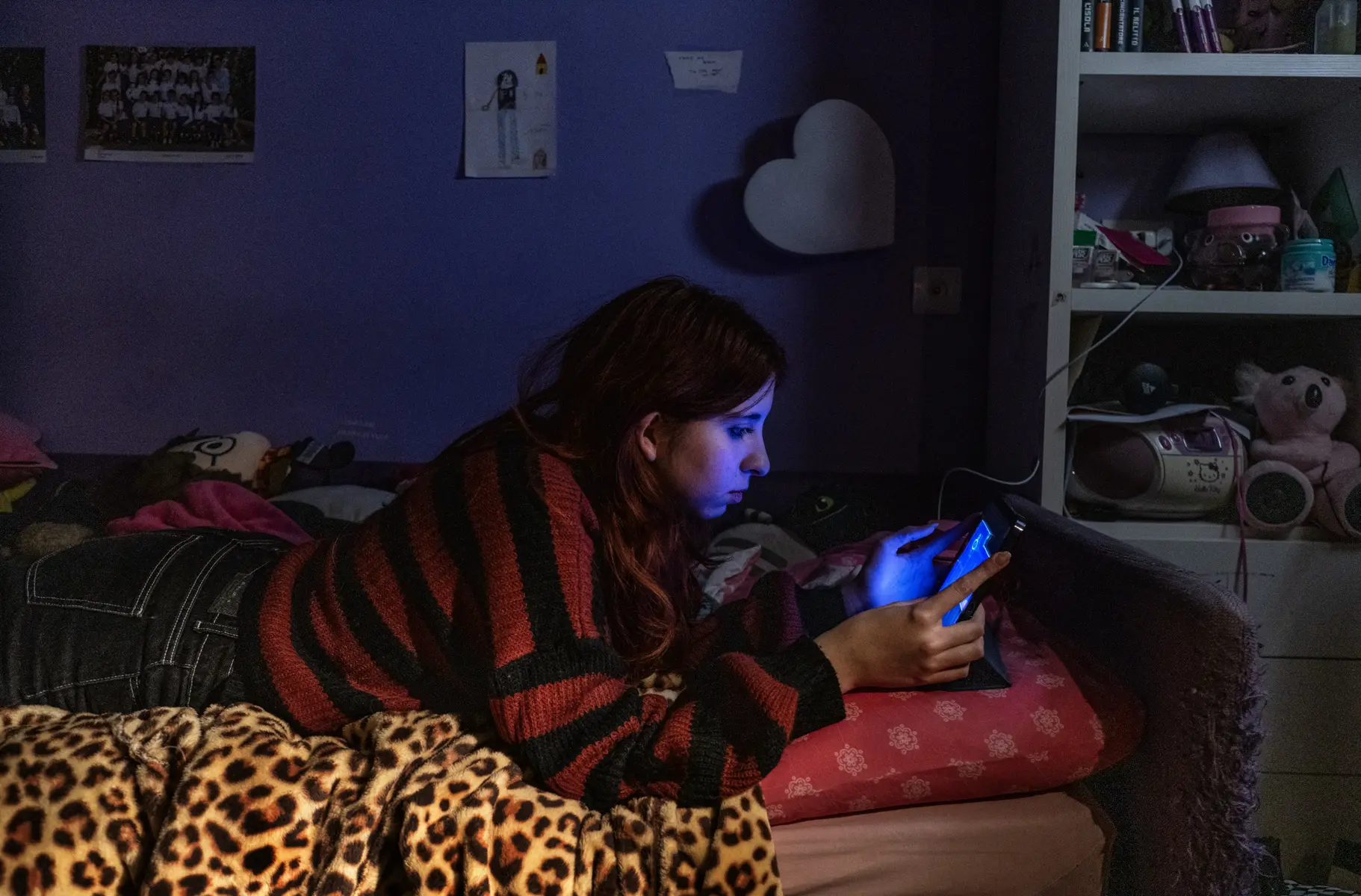
During the event, the campaign “Non sono emergenza” (“We Are Not an Emergency”) was presented together with the documentary directed by Arianna Massimi and the photo reportage by Riccardo Venturi. The film and the photos offer a direct and authentic look at the vulnerabilities of adolescents, moving beyond the emergency-driven narrative that too often accompanies public debate about young people.
As highlighted by Arianna Massimi, this current educational crisis is often a symptom of deeper issues related to social and psychological well-being. Anxiety, depression, eating disorders, bullying, youth gangs, sexual identity, isolation and eco-anxiety are among the many facets of a phenomenon that is constantly growing and still insufficiently explored, yet one that affects a generation too often portrayed as a problem or emergency rather than recognised as a resource.
The campaign has, for over a year, been exploring adolescent distress through images, videos, direct testimonies and the powerful language of audiovisual storytelling. It is a profound narrative that began with statistical data and then moved on to the lived experiences of young people.
Further info
- Read more (in Italian) about the event and look at the photos
- Look at the photos by photo reporter Riccardo Venturi
- Watch the trailer of the documentary: