Mental health interventions toward children and young people in Mayotte
Eurochild member Haki Za Wanatsa – Collectif CIDE Outre-mer has been awarded the first prize of the National Prevention Award 2025.
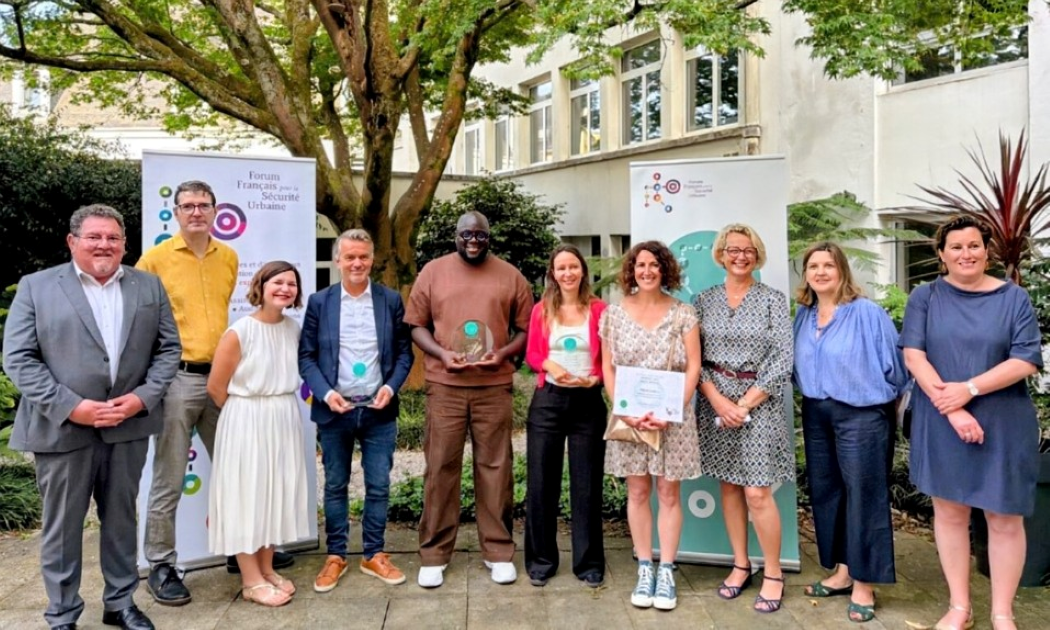
Awarded by the French Forum for Urban Safety (FFSU), this prize rewards inspiring and innovative youth prevention initiatives, carried out in collaboration between local authorities, public institutions and civil society. This year’s thematic focus was mental health. The award ceremony took place on 26 and 27 May in Quimper, ahead of the conference on ‘Mental health: a social emergency and the management of complex issues’.
The jury was composed of anthropologists and representatives of the National Network of Local Mental Health Councils, the French Ministerial Delegation for Mental Health and Psychiatry and from the Directorate for Judicial Protection of Young People, the national authority responsible for minors involved in judicial cases. Haki Za Wanatsa – Collectif CIDE Outre-mer’s interventions were praised, highlighting the quality and robustness of the project’s systemic approach around young people’s mental health.
Anthropologist and jury member David Mourgues, also highlighted ‘a genuine regional strategy based on international recommendations regarding the development of psychosocial skills’, as well as ‘the project’s capacity to be sustainable, to combat the stigma surrounding mental suffering’, to ‘inspire other regions, particularly regarding the inclusion of young people’, and ‘to showcase the overseas territories, which are often under-represented in this type of award’.
This award acknowledges grass root work implemented since 2018 and the strengthening of a coalition of member associations and partners working in Mayotte, La Réunion, Guadeloupe, la Martinique and mainland France.
More broadly, it stressed the need to implement strong interventions centered on Mayotte in the aftermath of the Chido storm as well as, long term mental health interventions and programs dedicated to children and young people in the French Overseas territories, which remain structurally vulnerable and exposed to precarity.