Ensuring Violence against Children remains a priority on the EU Agenda
In this blog, Nehir Ayral, a children’s rights advocate, insists that addressing violence against children cannot be a matter of preference. Drawing from her own experiences in life and advocacy, she shows that human rights, children undeniably included, must not follow agendas but take their rightful place as an indispensable political and moral priority.
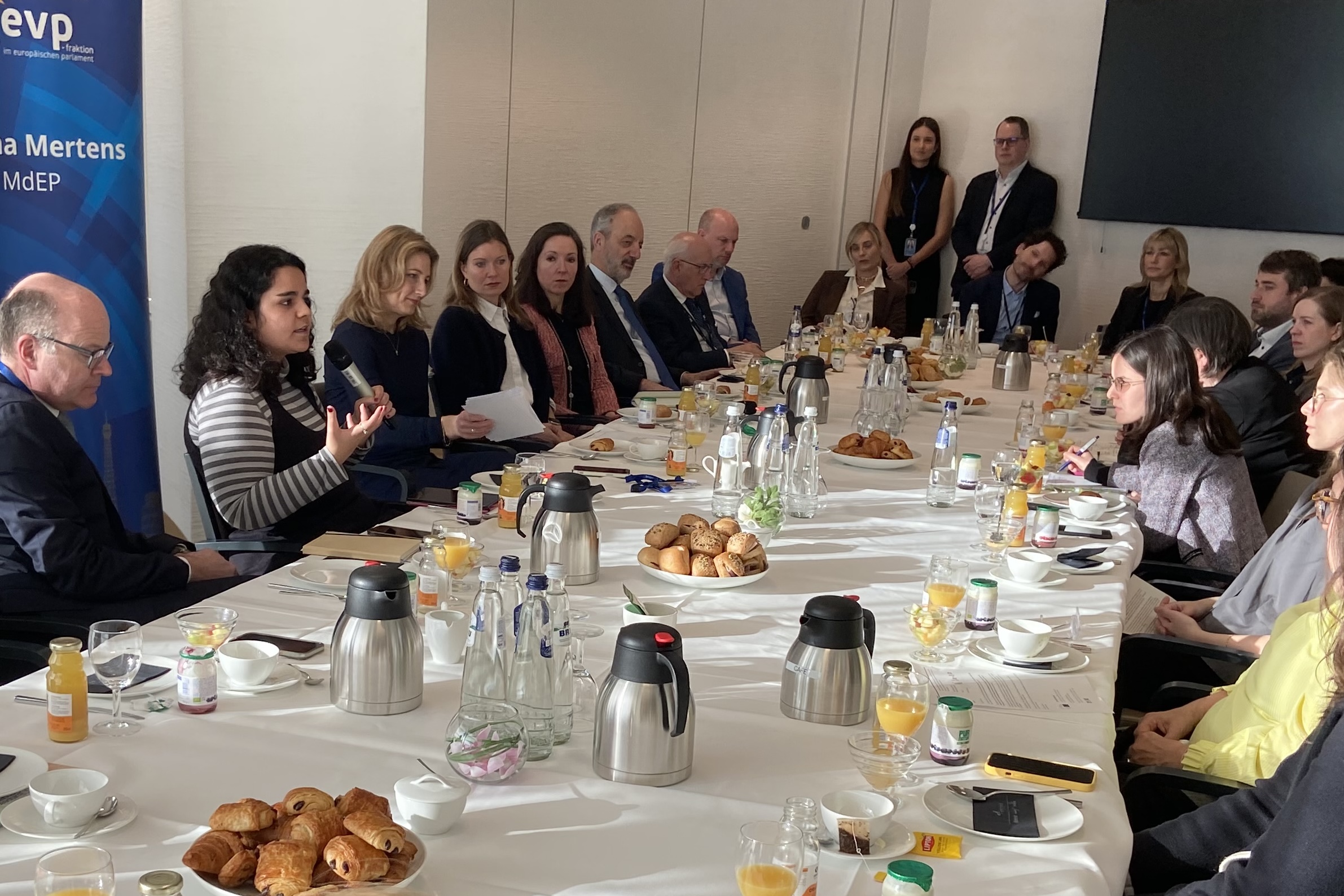
On Wednesday, the 18th of March, I hosted an event at the European Parliament together with German MEP Verena Mertens on violence against children. The event brought together decision makers on children’s rights at the European level and drew strongly from lived experience, both from my childhood with violence and from Verena’s work investigating a high-profile child abuse case in the German state of North Rhine-Westphalia during her time in the police.
The event built on my personal testimony on childhood violence and my advocacy. Its key message was clear: closing the gap between resources and those affected by creating awareness, highlighting society’s role, and encouraging decision makers to carry the discourse beyond the event into other circles. Not only within NGO and policy spaces, where interest is often a given, but also into those places which commitment to child protection, police reports and the needs of children for help do not seem to reach.
The statistics on childhood violence aren't and couldn't be representative, for we all know that the number of unreported cases is enormous and higher than any figures could ever fully capture and do justice to. Violence against children is illegal, but whoever believes that this alone ends it is gravely mistaken. It changes the game, the framework, but it continues in the dark, the place where it has always flourished. Because of this, the heart of my pursuit, and every step I take on this journey is to raise awareness, to create a momentum, and to make children facing violence visible. For their realities to be told, spoken out loud, and most importantly, heard.
Not talking about violence against children, whether in media, politics, or society, widens the gap between knowledge, resources, and those affected. And we must keep in mind: those affected are children. Not knowing their rights, the resources available, or what comes next. Not understanding the situation, who is help, and who may be danger. Because children cannot navigate this alone, we must navigate it with and for them. We have to show them that they are not alone, that the violence done to them is seen, condemned and spoken about, and that societal discourse does not exclude them but recognises the importance of giving a voice to the voiceless, that they are no less human in their dignity and rights. We must showcase that we are not silent because of our comfort, but that we are vocal to recognise and address their undeniable discomfort.
Light shines brightest in the dark. When we have the power to shed light on the violent realities children experience, we may not end violence entirely, but we can end the safe space that societal taboo and silence provide for it. In Brussels, in Europe, and in all the places our voices can reach.