From shrinking space to meaningful advocacy: Lessons from Hungary’s child rights turning point
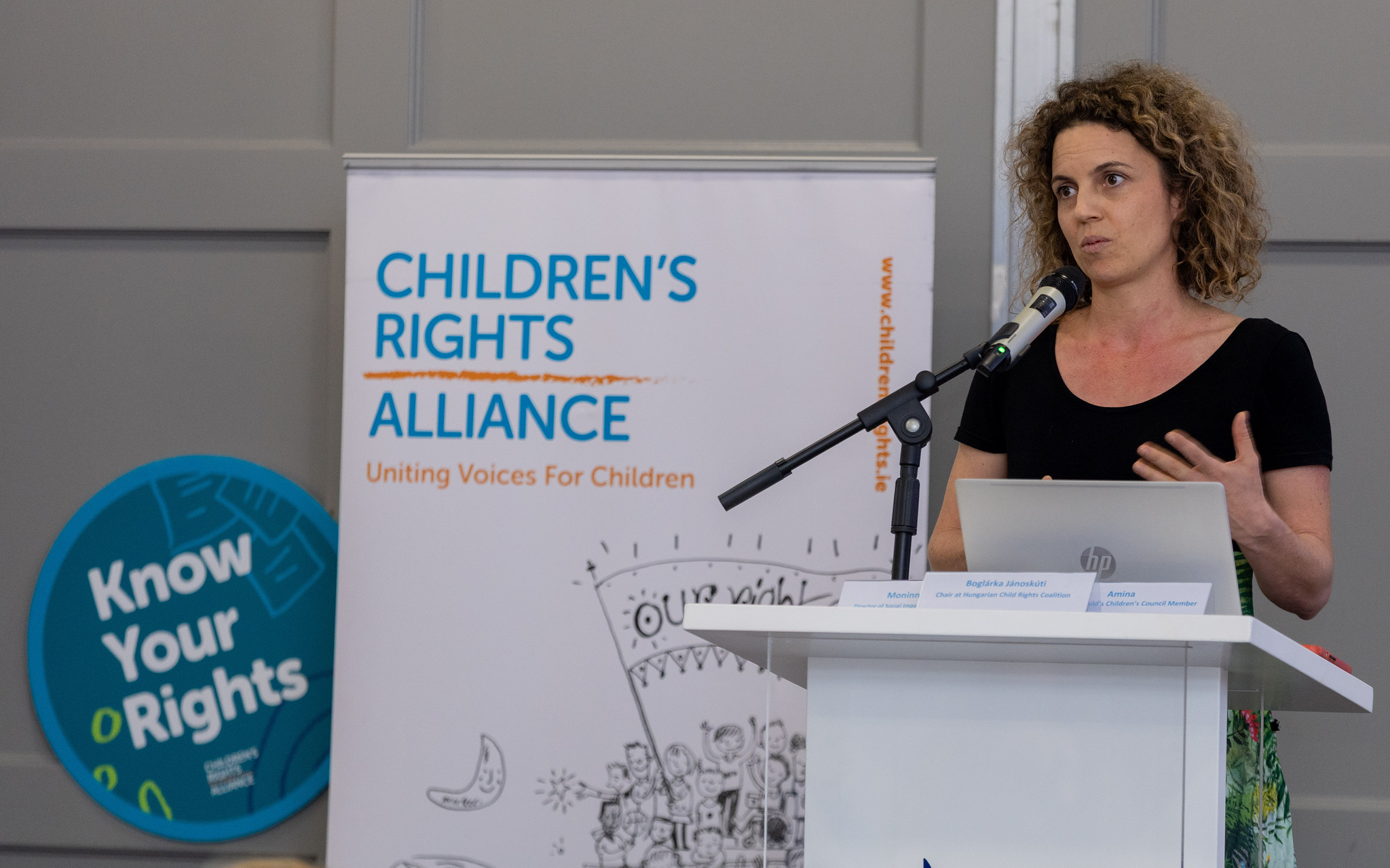
In this blog, Eurochild member Boglárka Jánoskúti reflects on her contribution to the “Standing Up to Anti-Child Rights Movements” conference in Dublin in late September 2026, sharing Hungary’s child rights journey, the turning point in spring 2026, and the vital role of civil society resilience, solidarity and collective advocacy in driving change.
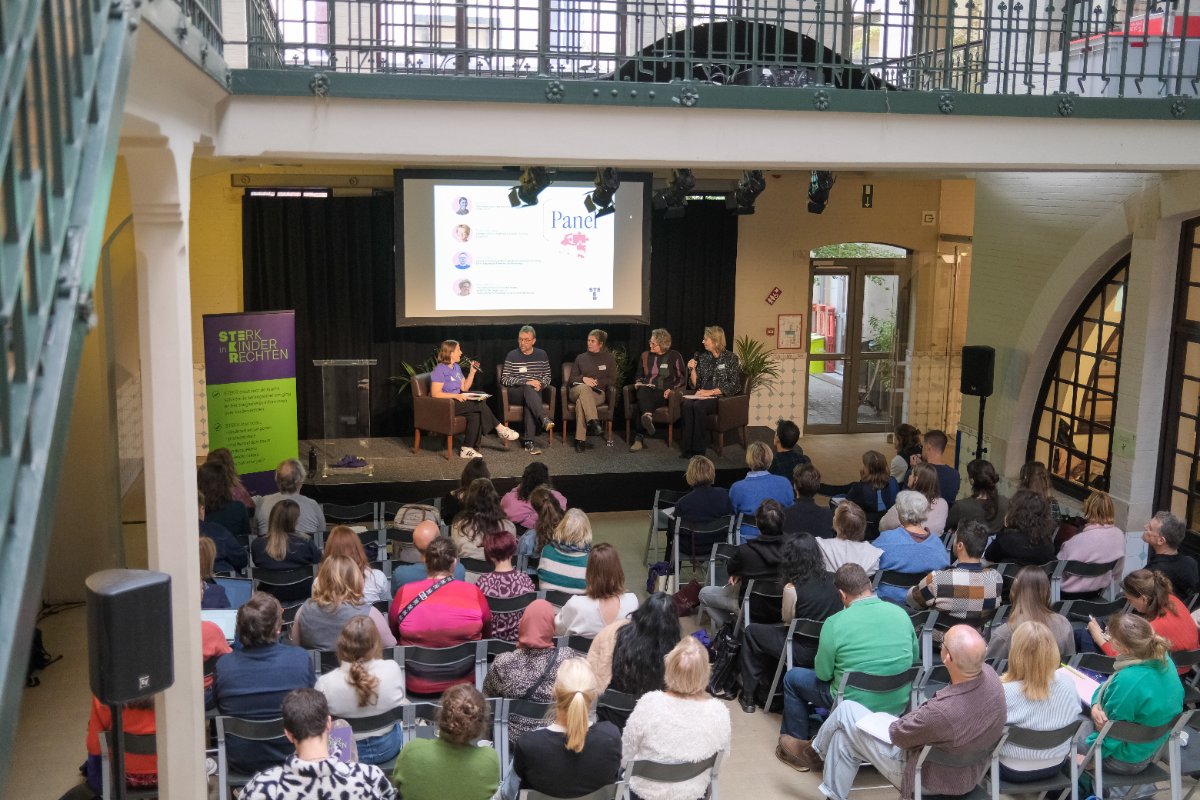
In late September 2026, child rights defenders and experts gathered in Dublin for the "Standing up to Anti-Child Rights Movements" conference, co-organised by Eurochild, the Irish Children’s Rights Alliance, Community Foundation Ireland and the Irish Presidency of the European Union. Amid rich discussions on the rising tide of illiberal and anti-child rights pressure across Europe, I was grateful to be given the opportunity to share the story of Hungary - a country where child rights advocacy faced a hostile political and institutional environment over the past years until a profound turning point in the spring of 2026.
At the conference, we listened with shared hope and empathy to our Serbian colleague as he described similar anti-child rights pressures in his country. It brings us immense joy to see that democracy has achieved a sweeping victory in Serbia in recent days.
For years, independent civil society organizations in Hungary operated within a severely restricted civic space. The pressure formed a reinforcing pattern of politicisation, delegitimisation, institutional blockades, and targeted isolation. When child protection is used as a political weapon, independent NGOs advocating for child rights are frequently branded as political actors or foreign influences. Independent programs were halted by administrative interference, partnerships were discouraged, and child rights/protection professionals faced a chilling effect that silenced critical voices. When this happens, the ultimate losers are children, who are left without independent defenders to voice their vulnerabilities.
Our core lesson is that the answer to a shrinking space is never to withdraw, but to connect. The Hungarian Child Rights NGO Coalition relied on solid evidence, joint coalition actions, mutual solidarity among members and multi-layered advocacy channels extending from local communities to European platforms like Eurochild. The Hungarian Child Rights NGO Coalition has transitioned from a critical voice into a regular policy partner. Today, we actively participate in parliamentary oversight, governmental consultations, monitoring mechanisms and policy roundtables.
In Hungary, the political shift of April 2026 opened a completely new chapter. A changed political environment paved the way for systemic transparency in child protection. Under new state secretarial leadership of Hintalovon founder Szilvia Gyurkó, the first comprehensive child protection diagnosis was conducted, exposing hidden crises - such as hundreds of infants stranded in hospitals due to administrative gridlock, which the coalition had also long emphasized in its previous statements. Child protection reforms have begun, including structural updates to juvenile justice and a ban on fear-inducing political billboards in public spaces.
The lessons from Hungary and the wider region are clear for our European community. Protecting children requires much more than good laws on paper; it demands an open, resilient civic ecosystem where civil society can organize freely, professionals can speak without fear, and independent evidence and monitoring is welcomed. When we stand connected across borders through networks like Eurochild, we ensure that no child rights defender ever stands alone.
For further information, please contact Boglárka Jánoskúti, Chair at the Hungarian Child Rights NGO Coalition, external expert at Hintalovon ECPAT Hungary.