How can the Council of Europe become a more strategic and political organisation to protect its core values?
Eurochild Submission to Icelandic Council of Europe Summit -May 2023
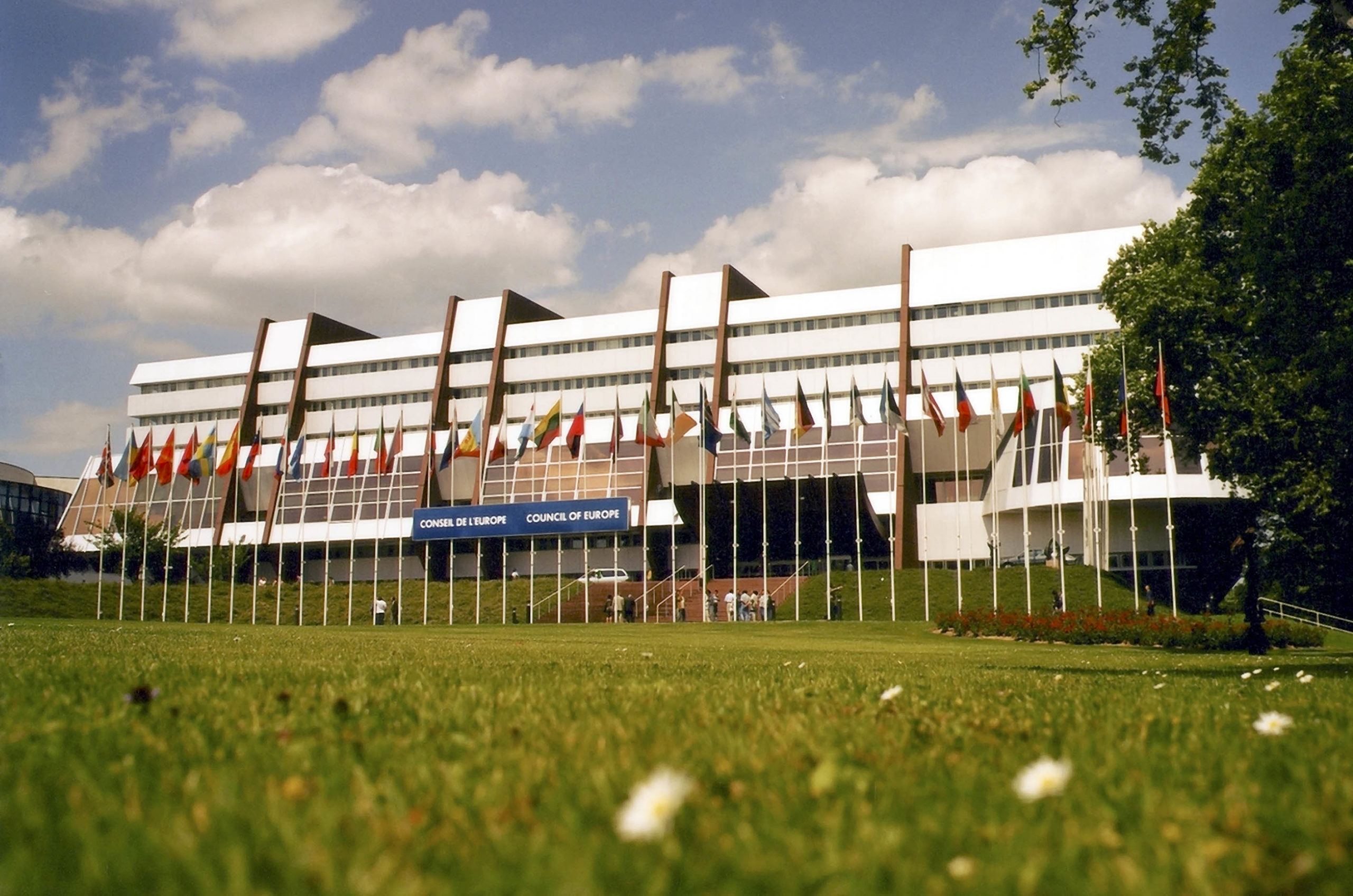
The Council of Europe is the continent’s oldest and leading pan-European organisation – has a critical role to play as the region’s guardian of human rights, democracy, and the rule of law. On 16-17 May 2023 it will hold its 4th Summit of Heads of State and Government in Reykjavik, Iceland and has launched a call for inputs which is open until 20 February.
Read a summary of our suggestions:
- Anti-rights movements
The Council of Europe should position itself as the human rights watchdog (including children’s rights) and monitor the attacks on human rights and child rights defenders. There is no specific mechanism to monitor and counteract anti-child (human) rights movements in Europe and their harmful rhetoric and actions. Such a mechanism could take the form of a collaboration with the EU and could serve several functions, including monitoring and documenting anti-child rights discourse and actions at European level; provide a platform for children’s rights organisations and defenders to share experiences; support organisations and individuals at risk; support collaboration between European institutions and UN human rights bodies to counteract misinformation and attacks of anti-child rights movements. - Russia’s aggression against Ukraine
The Council of Europe, and the member states which support it, could play a stronger role in enabling civil society from the ground to provide evidence, share their experiences and challenges, and financially sustain the emergency-driven expertise that civil society actors have built up in the past year. - Current and future challenges
The Council of Europe can create a consultation mechanism for citizens, including children, which ensures it is representative and represents grassroots organisations. Given the long-standing experience the Council of Europe has in protecting children’s rights in the digital environment, there is a big potential for further collaboration with EU institutions on the basis of the new proposed regulation on combatting child sexual abuse online. - Fitting for purpose and adapting its structure
The Council of Europe and the EU should strengthen their cooperation and reinforce synergies with regard to their work on children’s rights. The Council of Europe needs to adapt how they work with Civil Society Organisations and make sure that they work with CSOs representing citizens, including children with diverse backgrounds from across the Council of Europe membership. They need to work with a top-down and bottom-up approach, which ensures that citizens are able to share their opinions with decision makers at the Council of Europe, which they will have to take into account next to the contributions from governments. The current complaints mechanism in place for the European Charter of Social Rights could become a binding mechanism, like the European Convention on Human Rights, and be enforceable before the European Court of Human Rights.
For further information:
Eurochild's Position Paper ‘Countering Anti-Child Rights Movements in Europe: The need for a European mechanism’.