Supporting girls and women raised under state protection in Türkiye
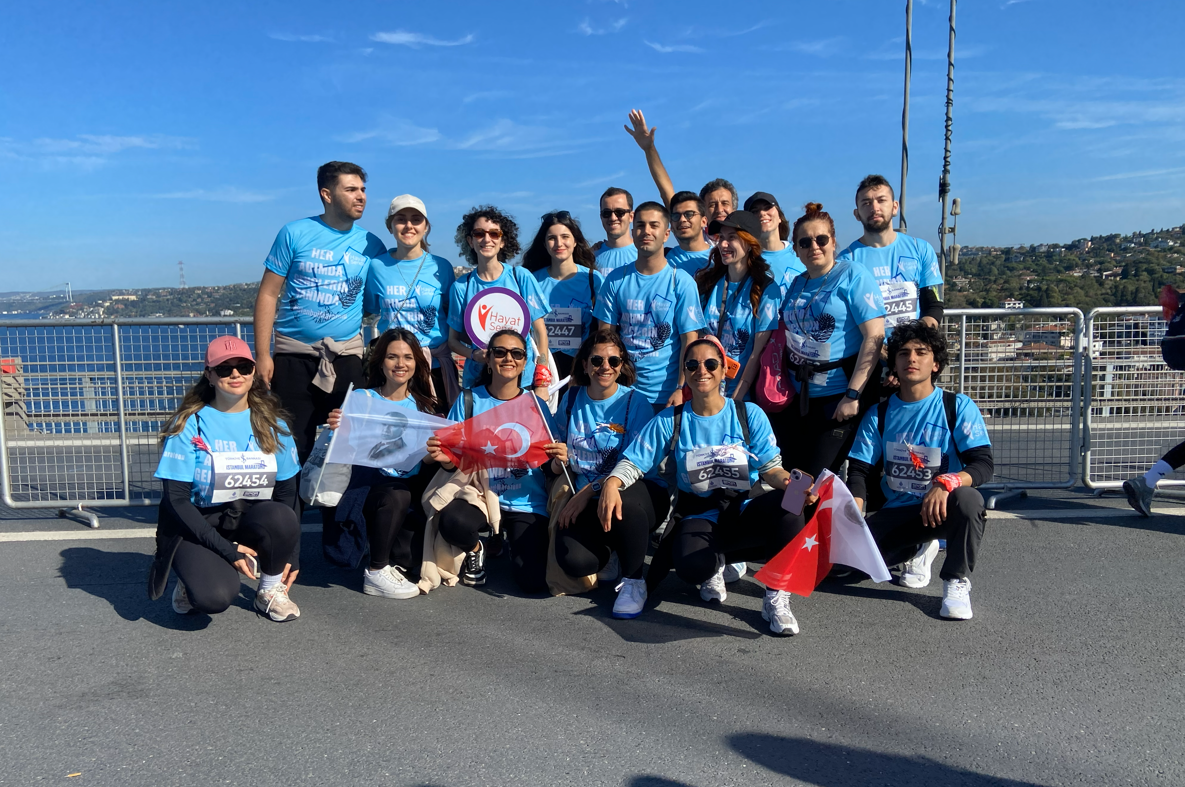
The “You Have Rights” project is a powerful and meaningful initiative carried out by Eurochild member Hayat Sende Gençlik Akademisi Derneği with the support of the Council of Europe, focused on girls and young women who grew up under state protection in Türkiye.
Currently, approximately 25,000 children live in state care and approximately 3,000 young people leave state care each year. Many of them face serious problems such as poverty, social exclusion, limited access to education, and difficulties finding safe housing or employment. Girls and young women experience even more risks, including early marriage, gender-based violence, and major barriers in accessing justice. The project was created to respond to these challenges and to help young women understand their rights, reach legal support, and feel stronger in their daily lives.
The project was implemented in Ankara, Yozgat, Kırşehir, Malatya, and partly in Adıyaman, reaching a wide and diverse group of beneficiaries. It included four main modules. The training modules were carried out with a lawyer, social worker and psychologist.
The first module focused on legal empowerment training for women raised in care. These sessions covered topics such as Law No. 6284, gender equality, violence against women, workplace rights, harassment, and how legal mechanisms work. In total, 67 people attended the face-to-face sessions in four cities, and 33 young people joined the online session.
The second module targeted civil society organizations working with young people leaving state care. Workshops were held in four project cities and involved 45 staff and volunteers from five different civil society organizations. These trainings helped the organizations strengthen their skills in guiding girls and women to access legal services and understanding their rights.
The third module focused on explaining the legal rights of girls under state protection. To make the learning process easier and more enjoyable, the team developed game-based activities for two different age groups: 7-12 and 13-18. A total of 549 children—341 girls and 208 boys—participated in 31 sessions held in five cities. Eleven of the participants were unaccompanied minors from Afghanistan, Iraq, and Syria, demonstrating the inclusive impact of the project.
Throughout this project, girls and young women received one-on-one legal counseling and social services support. During the project, 176 women received case management services, and 58 received more than 144 hours of direct legal counseling from a specialist lawyer in Ankara. The women rated the support 4.71 out of 5, demonstrating the value of the service to them.
The fourth and final activity was to develop a report and advocacy policy on the rights violations of women and girls growing up under state protection. The project produced an advocacy report that was viewed more than 8,800 times on social media. See the report.
The project reached a total of 616 people, exceeding its targets and creating enduring tools, partnerships, and knowledge that will continue to support girls and women in need even after the project ends.