

TAGS: Tackling Gender Stereotypes
Eurochild member Fondazione Albero della Vita released guidelines for social and institutional communication to address gender stereotypes.
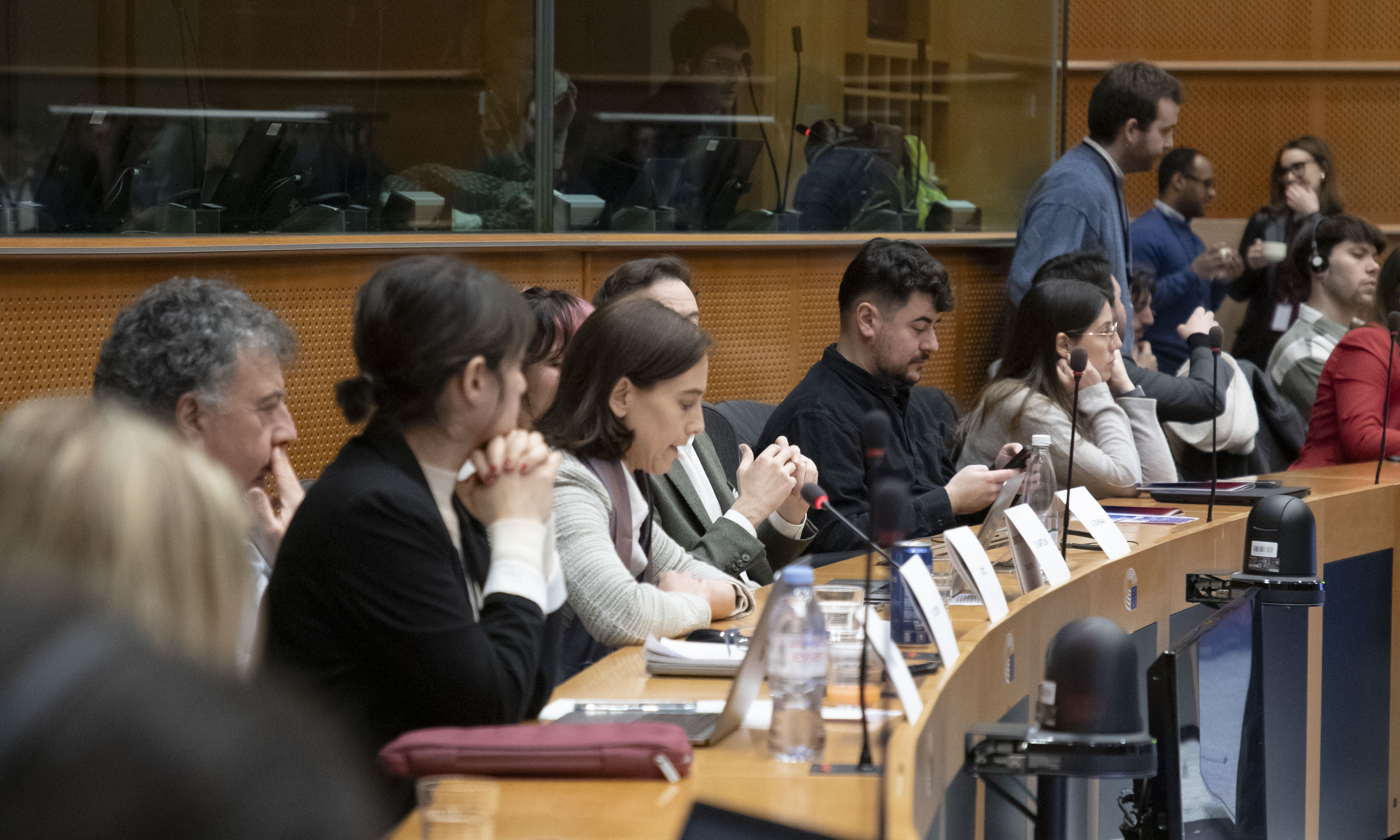
On 30 January 2025, a significant event took place at the European Parliament, focusing on tackling gender stereotypes through education and institutional communication. Organised by Maschile Plurale, FPS, Italia Che Cambia, and L’Albero della Vita as part of TAGS, a broader project co-funded by the European Union and that engaged eight secondary schools in Rome and Milan, involving 300 students, over 290 teachers, and six interactive workshops.
A key highlight of the event was the launch of the Guidelines for Social and Institutional Communication to Address Gender Stereotypes. These guidelines provide concrete tools for various stakeholders, including educators, students, advertising companies, and media professionals, to promote gender-sensitive communication and challenge discriminatory narratives.
The event saw the participation of several Members of the European Parliament, including Benifei (S&D), Sberna (ECR), Clausen (GUE/NGL), Funchion (GUE/NGL), Maij (S&D), Morace (GUE/NGL), Moretti (S&D), Scuderi (Greens) and Zan (S&D).
As highlighted during the event, by Italian journalist Schinaia (FPS) in some official communications and even in certain campaigns against gender-based violence, the stereotype of the strong man and the weak woman persists—portraying women as passive subjects who need protection and are incapable of being independent or strong on their own. For this reason, the guide, with its practical examples, seeks to change this approach.
Even among the younger generations, there is a tendency to downplay gender discrimination. Regarding the concept of strength, boys often feel the need to appear strong—an expectation that interactive workshops have sought to challenge and reshape.
During the discussions, Marit Maij raised concerns about the growing strength of the anti-gender movement also within the European Parliament. Benifei and Scuderi emphasised the increasing challenges faced at both national and EU levels in fostering discussions on discrimination. They highlighted the rising wave of online and offline attacks against gender equality initiatives.
Alessandro Zan addressed the spread of fear and misinformation perpetuated by anti-gender movements, stating that rigid gender roles imposed from early childhood contribute to a culture of dominance and submission, which can escalate into hatred and violence. He stressed the importance of integrating emotional and sexual education into school curricula to effectively combat gender discrimination from an early age.
Alessandra Moretti underscored the persistence of gender inequalities in childhood, citing the limited participation of girls in STEM subjects within many families as an example of deep-rooted biases.
The event concluded with contributions from the high school students from the “Enrico Tosi” Technical Economic Institute in Busto Arsizio who participated in the project.
Further info: