The Hungarian Child Rights Coalition’s statement on systemic violence and accountability failures in Hungary’s child protection and juvenile justice system
The Eurochild member Hungarian Child Rights Coalition firmly opposes the Government’s reliance on law enforcement measures in response to the recently revealed, serious and systemic violations of children’s rights in state-run child protection institutions and correctional facilities. The Coalition calls on the Government to initiate genuine child protection reform and demands full accountability. We are deeply concerned about the rights of children not fully respected and protected in Hungary.
Systemic abuse in Hungary's child protection institutions
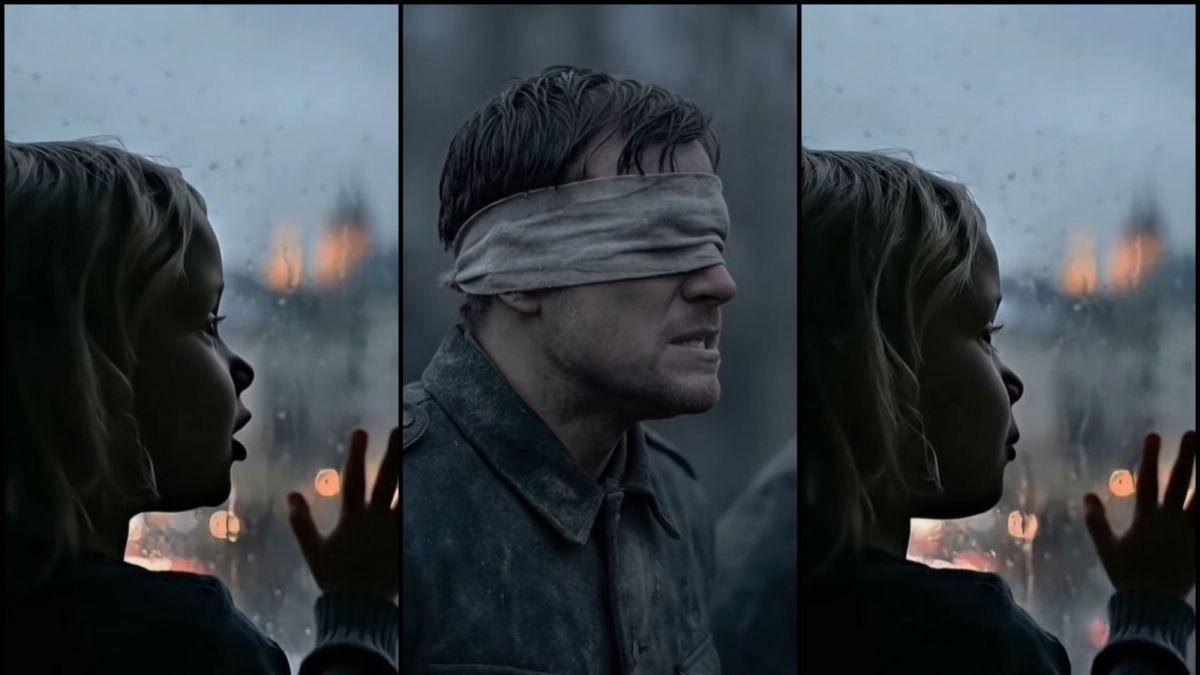
Recent revelations regarding Hungary’s child protection and juvenile justice system expose grave and systemic violations of children’s rights within state-run institutions. Footage made public by the media from the Budapest Correctional Facility on Szőlő Street shows the institution’s director physically assaulting children in a violent, degrading, and inhumane manner. According to press reports, the footage had been in the possession of investigative authorities for a considerable period, raising serious concerns about official inaction and systemic abuse. These revelations do not represent isolated incidents but rather point to deep-rooted structural failures across Hungary’s child protection system.[1]
Since the pardon scandal that erupted in spring 2024[2], the growing number of reported abuse cases within child protection facilities demonstrates that children’s fundamental rights - including protection from all forms of violence and abuse - are not guaranteed under the current system.
The Hungarian child rights coalition demands political and legal accountability
Despite the seriousness and recurrence of these cases, no meaningful legal or political accountability has yet been established, nor have any systemic reforms been introduced.
The current situation constitutes a grave breach of Hungary’s obligations under the UN Convention on the Rights of the Child and the national child protection legislation. The Hungarian Child Rights Coalition has, in an open letter addressed to the Prime Minister[3] called for immediate action and full legal and political accountability to end the systemic abuse and degrading treatment of children in institutional care and correctional facilities.
A concerning step backward: reestablishing infant homes
The Coalition already warned in its November 2023 statement about the growing number - between 50 and 100 - of infants forced to remain in hospital, sometimes for several months, due to the concerns about the parents' circumstances and capacities or because of abandonment of the children and the lack of foster placement. Within two years, by 2025, the estimated number of infants has at least tripled, reaching 353 and according to the estimates the number will increase further. The Government’s belated response - establishing new infant care institutions - runs contrary to the UN Convention on the Rights of the Child, the Hungarian child protection legislation and professional standards and fails to address the root causes of the crisis. This measure also directly contradicts the UN Committee on the Rights of the Child’s 2020 concluding observations on Hungary’s sixth periodic report, which urged the Government to prioritize strengthening social protection measures for families to prevent children, particularly those under the age of three, from entering alternative care.
The need for child-rights-based, not law enforcement responses
Concerning the children placed in pre-trial detention or in correctional facilities based on the court decisions, traditionally these facilities have been providing pedagogical approaches to support the reintegration of children committing offenses. The vast majority of children placed into these institutions arrive from alternative care provisions and have got a troubled background and life. In the Coalition’s view, the deployment of law enforcement measures does not provide genuine protection against violence and is inappropriate for addressing educational or behavioral conflicts within child care settings. The introduction of police officers and school guards[4] in children’s homes, residential care facilities, and juvenile correctional institutions - alongside the transfer of correctional and educational facilities under the supervision of the Prison Service and the Hungarian Police as of December 2025 - reinforces a punitive, law-enforcement-driven approach. This is fundamentally incompatible with the rehabilitative and educational purpose of such institutions and represents a shift away from a child-rights-based system.
The need for independent oversight and structural reform
The growing culture of violence both between the children and used as a method of discipline by the caretakers, the shortage of trained professionals working in the facilities, the high fluctuation and low prestige and remuneration of those working with children in alternative care has deteriorated the entire system of out of home care. According to the Coalition, children’s safety within child protection and correctional institutions cannot be ensured through law enforcement presence but only by strengthening the child protection system itself. This includes increasing the number and salaries of social, educational, and mental health professionals; introducing and using trauma-informed and non-violent conflict resolution practices; expanding psychosocial support and reintegration measures for young people; creating child-friendly, safe environments; and establishing effective child safeguarding protocols, independent monitoring, and complaint mechanisms. A focus on the preventive services at local level, supporting families and children in need in line with the EU Integrated Child Protection Strategy, the Child Guarantee would need to be implemented. The Hungarian Child Rights Coalition affirms that establishing an independent and autonomous Children’s Rights Ombudsman and guaranteeing civil society’s access to closed child protection facilities is the minimum requirement for ensuring children’s safety. This demand was already articulated in point 4 of the Coalition’s proposal package entitled “What Hungarian Child Protection Requires - Package of Proposals?[5]”
[1] Hungary child abuse scandal brings calls for Orban to resign
[2] Hungarian President Katalin Novak resigns over child-abuse pardon scandal, A Third Political Ally of Hungary’s Prime Minister Is Forced to Resign
[3] Open Letter to Viktor Orbán on Serious Child Protection Abuses and the Urgent Establishment of a Children’s Rights Ombudsman.
[4] The Hungarian Child Rights Coalition’s Statement on the Planned Presence of Police Officers and School Guards in Children’s Homes and Juvenile Correctional Institutions.
[5] What Hungarian Child Protection Requires - Package of Proposals.