UNCRC in the Netherlands: a review of child rights implementation
On 1-2 February 2022, the Kingdom of the Netherlands and the UN Committee on the Rights of the Child held an online meetig to review the implementation and compliance with the UN Convention on the Rights of the Child (UNCRC) during the past five years.
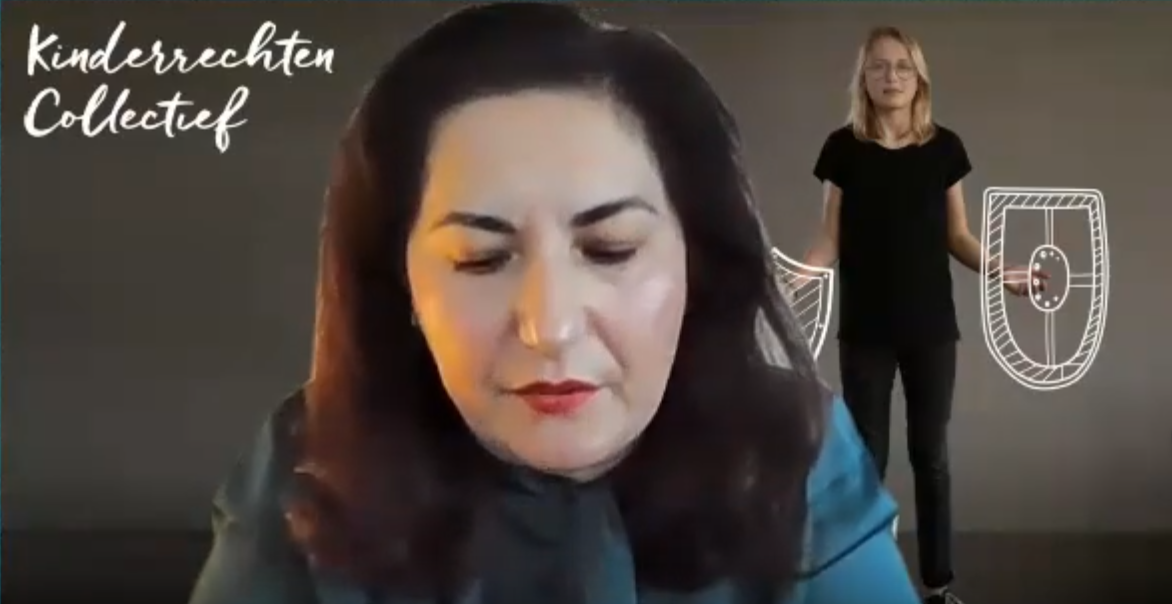
The Dutch Children's Rights Coalition (represented by Eurochild member Defence for Children International - The Netherlands) organised a review of the meeting.
“I consider it a positive sign that there was a large delegation present from the Netherlands”- started off Ms. Huri Sahin, chair of the Dutch Coalition - “including recently appointed Secretary of State of the Ministry of Health, Welfare and Sport, Mr. Maarten van Ooijen. A variety of issues that we raised in our NGO report definitely appeared in the questions of the Committee.”
Unfortunately, even if the Committee appreciated the work done so far, they also found the answers of the delegation incomplete and selective, since for some issues they did not get clear or concrete answers.
The Dutch Children's Rights Coalition will translate the Concluding Observations in child-friendly language, offer them to the Dutch government and closely follow the implementation of the Recommendations.
Read below a summary of the key topics discussed:
- The best interests of the child and mental wellbeing
The best interests of the child reoccurred in multiple areas, such as juvenile justice and youth care. However, in reality children not always felt that their best interest was a primary concern in decision-making that concerns them. In the sessions delegations also spoke about the decentralisation of youth care from state level to municipalities, equal access to care and children's mental wellbeing.
“Mental wellbeing at school was mentioned. The question is how the governments deals with these issues. The Ministry makes a lot of plans, but we don’t see enough of these plans put into practice [...] I expected more.” - said Ms. Narita Derks, a young advocate for young people in youth care at Cliëntenbelang.
- Poverty
According to Huri Sahin: “It was positive that the Dutch government recognised that poverty should be combatted with an integral approach, with multiple departments collaborating. It was disappointing that the delegation did not give any perspective on withdrawing the Dutch reservation on article 26, the right of children to independent social security.”
- Juvenile justice
The UN Committee asked the Netherlands about different subjects, such as DNA gathering, sentencing minors as adults and raising the age of criminal responsibility from 12 to 14 or 16 years old. According to Mr. Ton Liefaard, professor of children’s rights at University Leiden: “This is one of the areas where the Committee would really like to see progress. The Government did not demonstrate to be open to change its position.”
- Climate change
According to Huri Sahin, the answer ‘We appreciate the opinion of the youth’ was not enough. “Children and young people would like to actively contribute towards climate policy, because it concerns their future.”
Further Information
- Watch the review event (in Dutch)
- And the State Session: 1 February session and 2 February session