What can children teach us about making child participation more inclusive?
Eurochild’s engagement in the Irish Presidency High-level conference on child participation.
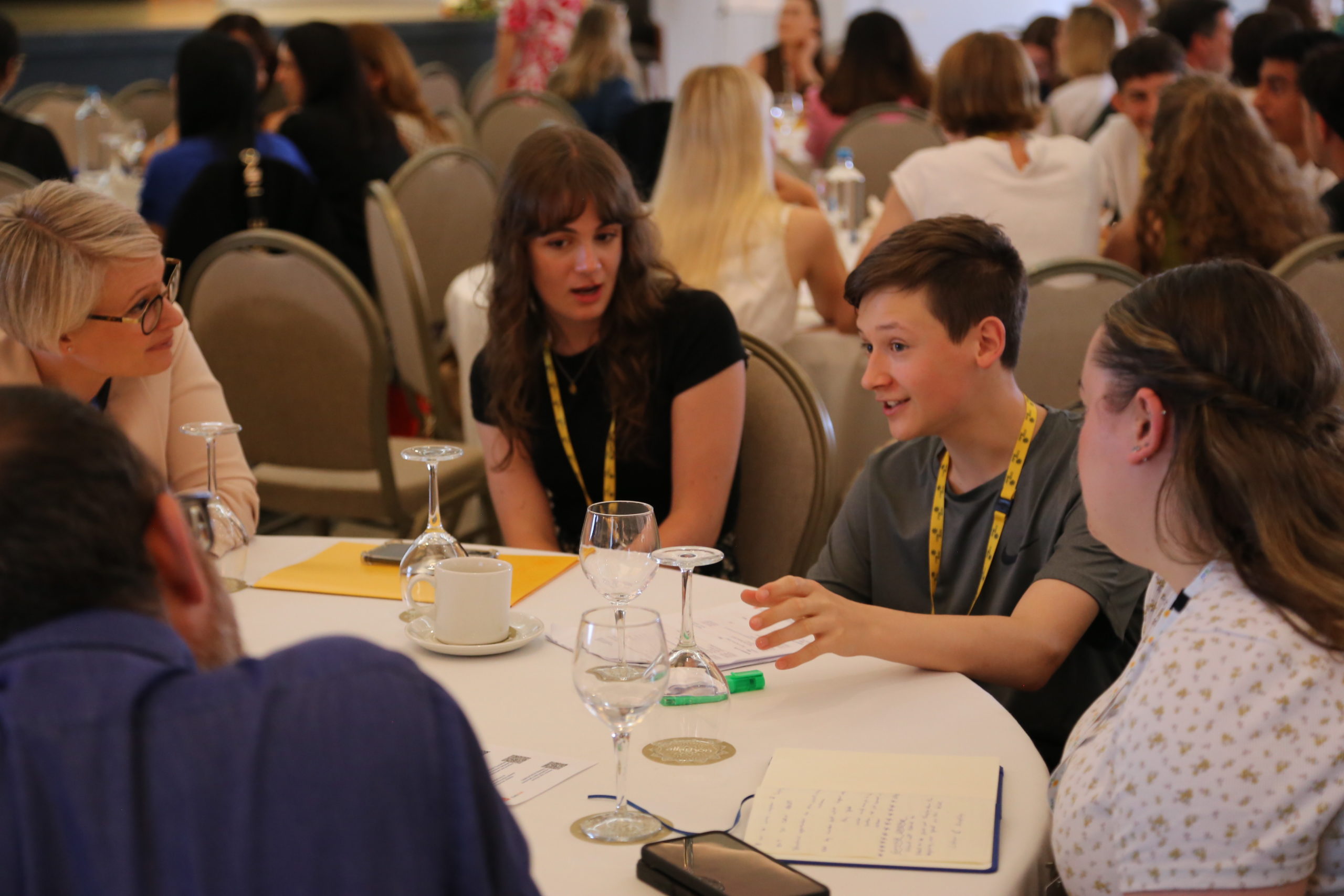
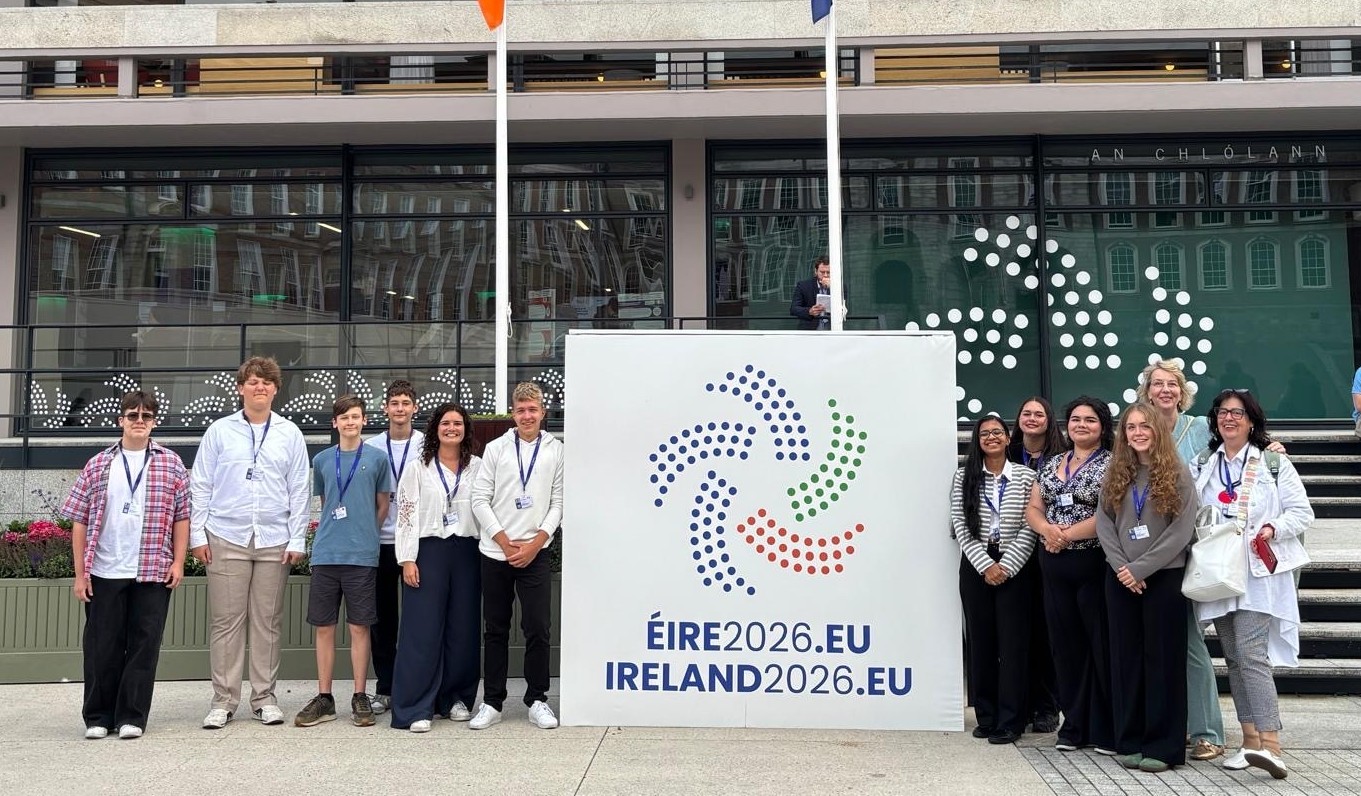
At the end of July, Eurochild contributed to the first-ever High-Level Conference ‘Listening to children & young people – Challenges in Challenging Settings’ dedicated to the participation of children and young people. It brought together over 280 delegates from across Europe, including 80 children and young people, youth journalists, government ministers, European policymakers, researchers, practitioners and children's rights experts. European Commissioner Michael McGrath, said in his opening remarks that it doesn’t cost anything to listen to children and that it is a very wise investment to listen to them.
Our Director of Child Rights & Capacity Building, Mieke Schuurman, contributed to a parallel session on challenges to children and young people’s participation in decision-making at the international level. She shared our work with Eurochild’s members, who consulted children about those who are excluded from participation. Children told us that we should stop designing participation processes around the children who are easiest to reach. Forget about special treatment, but ensure equal treatment: including children who are shy, quiet, have challenging behaviours or are very young children. Decision-makers should look around in the room and notice who is missing and then take the responsibility to include those children. She also shared good practice examples of how grassroots organisations are working with marginalised children from the Reaching-In project and the Daphne-Child sub-granting programme, which involve children on the topic of violence.
Eurochild Children’s Council, supported by Laure Pailleau, Eurochild’s Child Participation Officer, contributed to the exchange of ideas, together with children from the EU’s Child Participation Platform and other children and young people from Ireland and across Europe to the exchange of ideas on the challenges they face in the digital world, including online safety and access to social media. The group brought together children and young people from diverse backgrounds, including children experiencing disadvantage. Two Eurochild Children’s Council members also participated in the conference’s Young Advisory Group and helped to moderate some of the activities during the children’s consultation. The outcomes and key messages from the children’s consultation were presented to the full conference during the closing session, bringing their perspectives directly into the wider discussions.
Irish Minister for Children, Disability and Equality, Norma Foley in her opening remarks expressed the hope that this will be the first of many future Presidency conferences and events that include and promote the participation and active citizenship of young people. This was picked up by the Lithuanian Deputy Minister for Social Security and Labour, Rita Grigalienė, in her closing remarks. During the Lithuanian EU Presidency starting in January 2027, they will keep children’s rights and child participation on the agenda. The last word was from one of the young participants, Sara: ‘Being here gave me hope’.