Why children should shape school health policies
As advocates for children's rights and well-being, Dr. Ally Dunhill, Eurochild Director of Policy, Advocacy and Communications, and Lenia Kriki, Child Participation and Policy Officer, recently shared their insights on the pivotal role of children in shaping school health policies.
Their participation in the Schools4Health EuroHealthNet seminar and Consortium Meeting, held under the Belgian EU Council Presidency, shed light on the transformative potential of involving children in health promotion initiatives in schools.
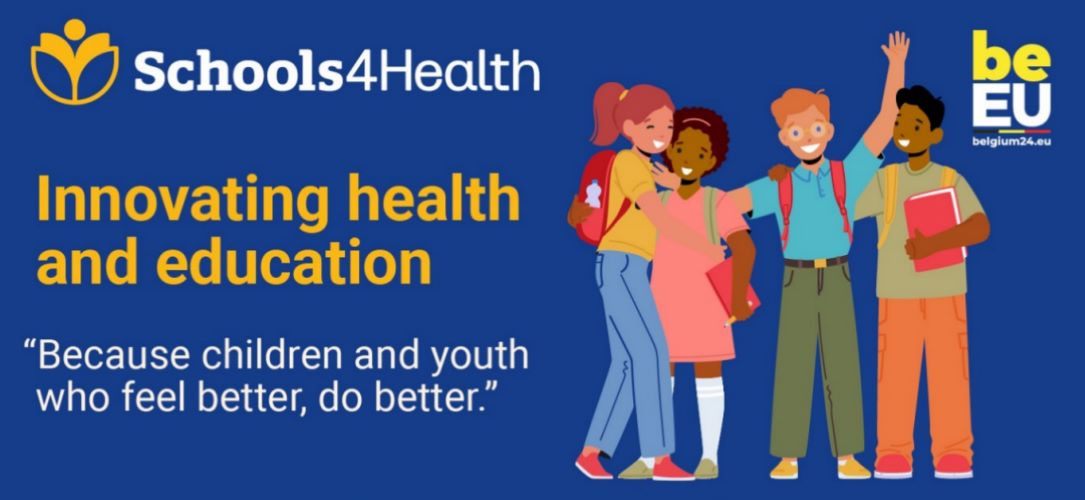
Schools4Health is a EuroHealthNet-led project which aims to introduce, strengthen, and sustain the adoption of a health-promoting school approach and other whole-school approaches to health. Central to both Ally and Lenia’s interventions was the recognition that children themselves are integral stakeholders whose perspectives must be valued and integrated into policy development, implementation, and evaluation processes.
In this setting, as Eurochild, we were invited to share insights on the importance of, and how, to involve children as key stakeholders. Indeed, for children to benefit from health promoting schools we must ensure they are involved in developing, implementing and evaluating, policies, projects and practices. They are the most relevant stakeholders, and as such they must be consulted; as it is usually done with other adult stakeholders such as parents and teachers in the educational setting.
Why should we involve children in school health promotion policies? The answer lies in the profound impact such involvement can have on both the health and well-being of children. By actively engaging children in decision-making processes, we not only empower them but also cultivate a sense of ownership over their health and environment.
Children, as primary stakeholders, possess unique insights and perspectives that can enrich policy discussions. Through methods such as surveys, focus groups, and advisory councils, their voices can inform and shape health-promoting initiatives.
The benefits of involving children in health-promoting policies extend far beyond the school environment. Early exposure to health education instils lifelong habits and attitudes toward well-being. Furthermore, meaningful participation enhances social and emotional development, leading to improved mental health and interpersonal relationships.
Practical benefits are also evident, as healthier children exhibit higher attendance rates, improved concentration, and enhanced cognitive development. By prioritising nutrition and physical activity, schools not only nurture academic success but also lay the foundation for lifelong health and achievement.
In summary, involving children in developing, implementing and evaluating health-promoting policies in schools is not just a moral imperative but a strategic investment. It's an investment in both children's current and long-term health outcomes.