Beyond the Classroom: How Star for Life Ukraine Brings Education to Children in War
During the war, Eurochild member Star for Life Ukraine provides safe learning spaces that build skills, support mental health, and foster community. Its scalable crisis-response model shows how NGOs can bridge gaps and strengthen resilience through innovation.
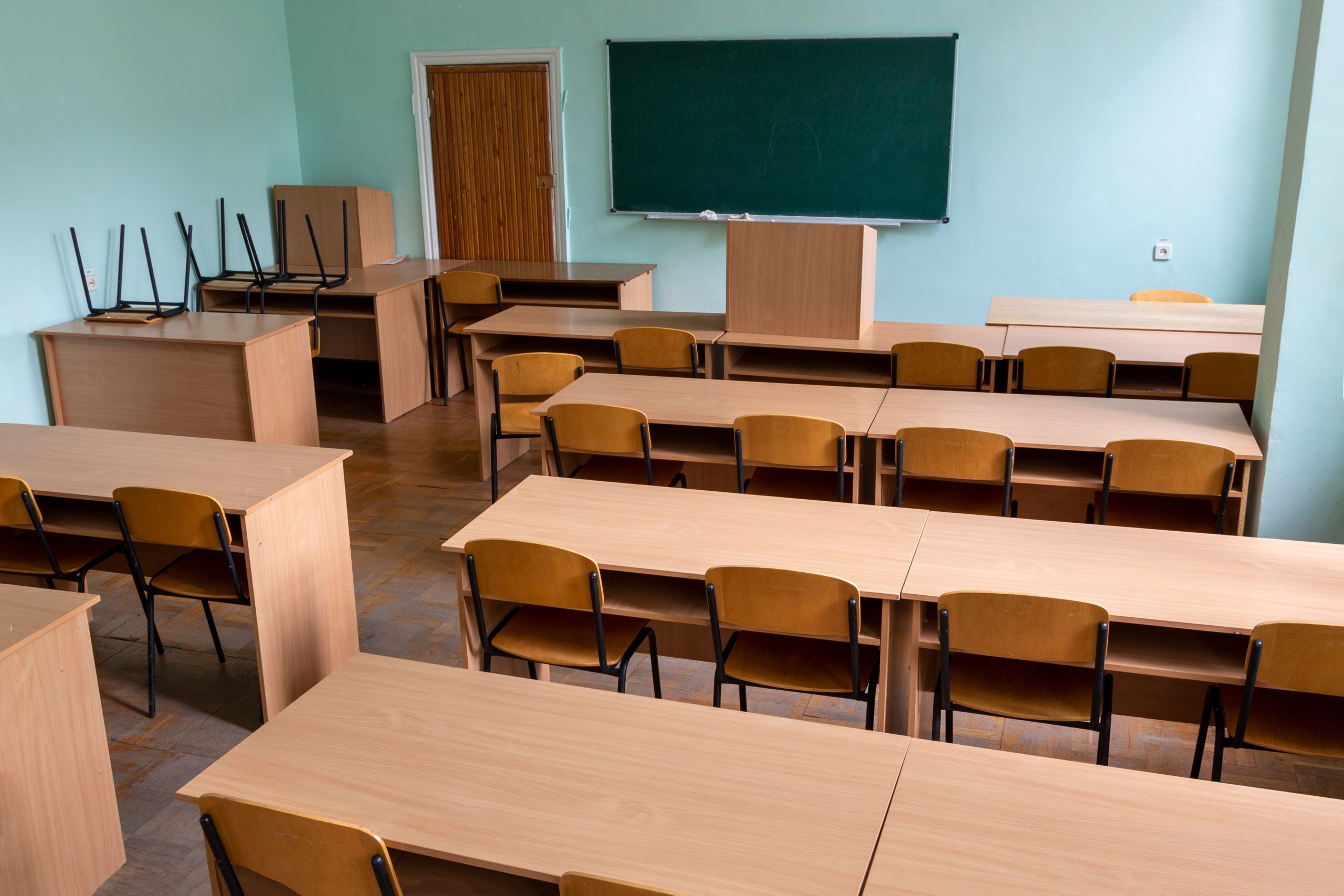
The war in Ukraine has disrupted the lives of millions of children and pushed access to quality post-primary education even further down the government’s priority list. With the formal education system under enormous strain and government resources limited, after-school learning is not just an enrichment, but a pressing need.
Star for Life Ukraine (SFLUA) is meeting this pressing need by creating safe, alternative spaces where children can learn, connect, and heal. Their programmes combine technology, creativity, and mental health support, proving that even in times of crisis, education can be innovative, inclusive, and transformative.
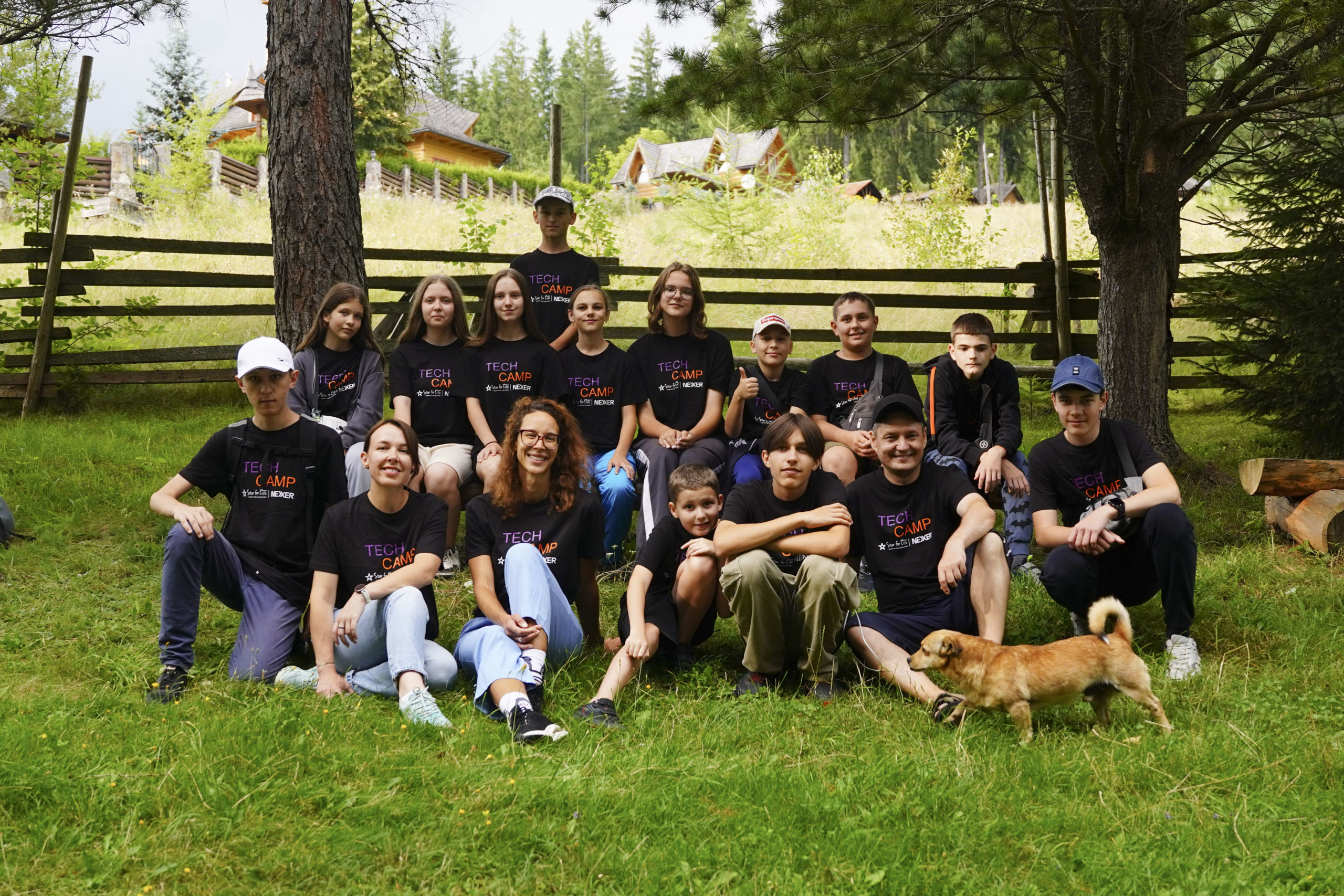
Tech School introduces young people to coding, design, English language and AI, equipping them with future-ready skills. A few examples to mention:
- UI/UX Design Camp offers online training for children facing difficult life circumstances and in need of additional support.
- Tech Youth Mentorship connects participants with IT professionals who provide guidance and career insights.
- Art Therapy & Mental Health Integration embeds psychological support into learning.
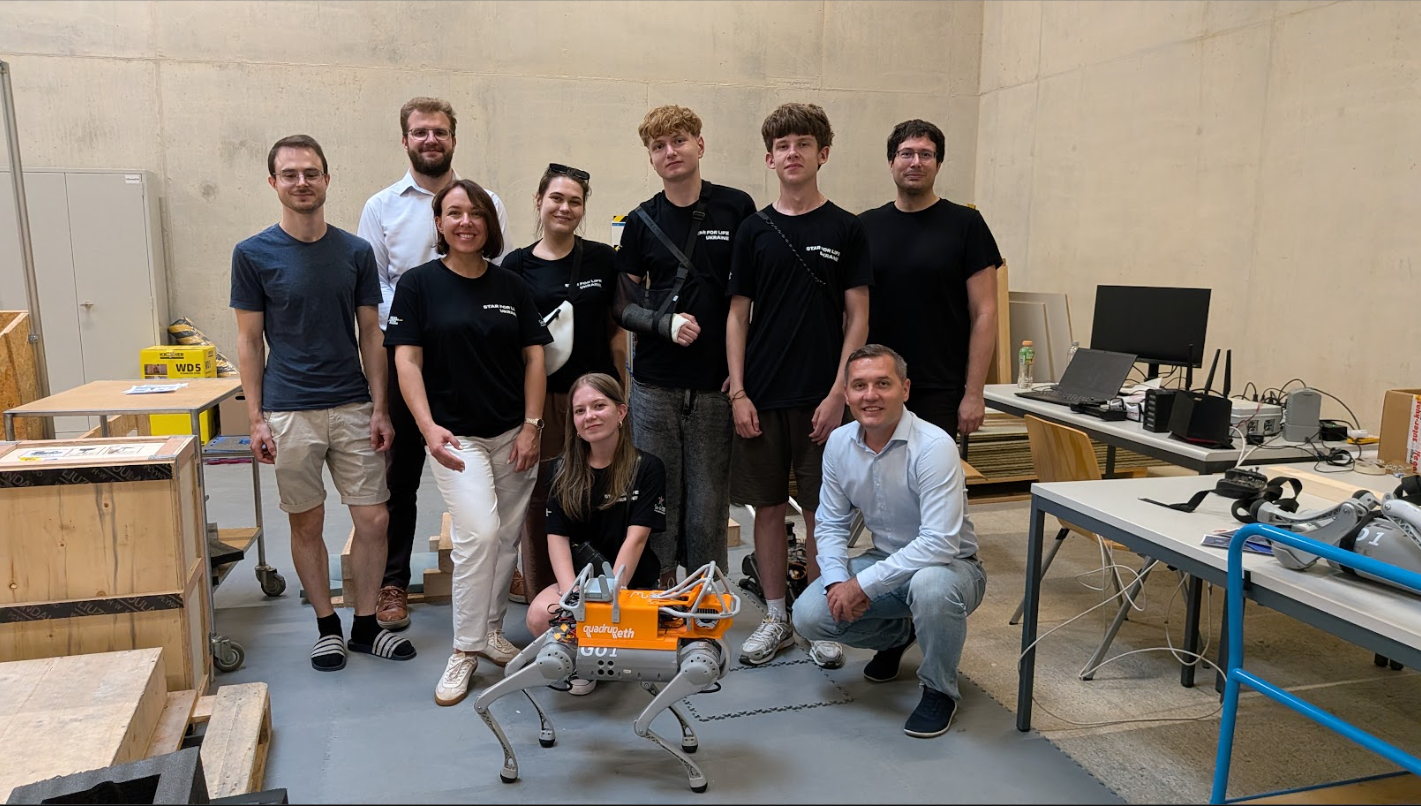
SFLUA is a model that can be adapted to a global scale. Their presence already extends beyond Ukraine to Jerusalem, Brazil, and Sweden, through international exchanges, including collaborations with reputable technological universities such as ETH Zurich. This collaboration demonstrates how innovations born out of crisis can transcend borders and inspire sustainable solutions elsewhere.
NGOs like SFLUA are well positioned to complement government efforts and step in where resources are limited. Our experience shows that with the right support and international cooperation, alternative education spaces can thrive even in the most challenging environments.
European NGOs and policymakers must prioritise long-term child-centred solutions. SFLUA’s work shows that education in emergencies is not just possible, it is a lifeline.
Further info:
- Contact: partnership@starforlife.org.ua
- Visit www.starforlife.org.ua