How I Feel and Learn in Ukraine Today
Eurochild member "Charity Fund EDUKIDS releases a report featuring the results of a nationwide survey of 5,551 children aged 10–17, which aims to better understand the emotional and mental well-being of children in the context of war and energy instability, which directly affect their education, daily lives, and sense of safety.
Edukids builds on the experience of Eurochild National Forums (NEFs), which are already actively operating in other European countries. It brings together active children aged 8–18 from across different regions of Ukraine, who participate in events, surveys, and initiatives aimed at promoting and safeguarding children’s rights, as well as fostering children’s participation in public decision-making processes.
The majority of children assess their overall well-being as average (37%) or moderately positive (32%), corresponding to scores of 3-4. At the same time, nearly one in six children (16%) report negative well-being (scores of 1-2), while only 14.3% feel very well (score of 5). At the same time, negative emotions such as anxiety, fear, sadness, and anger are also quite widespread. Particular attention should be paid to the high levels of fatigue, which may indicate accumulated stress. Notably, the level of hope remains relatively high, suggesting that children maintain a degree of psychological resilience even under conditions of prolonged stress.
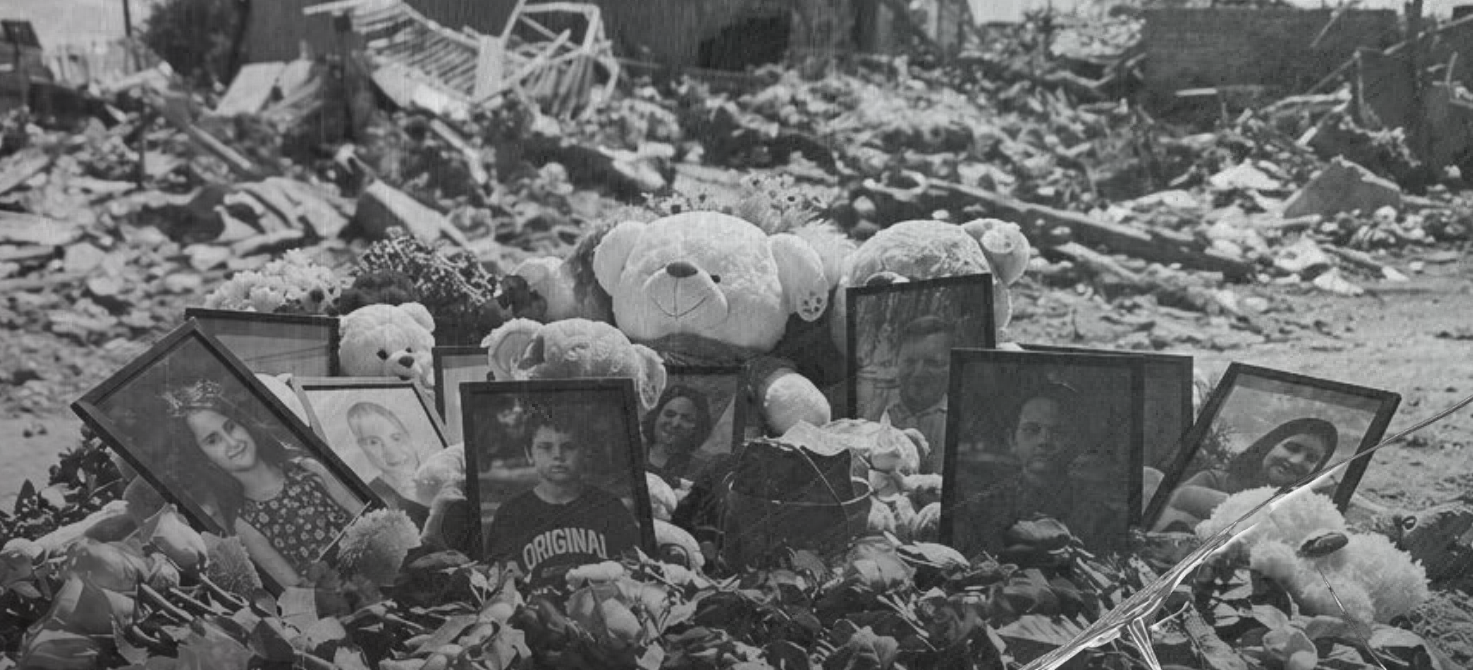
Children describe the war not as a background condition, but as a daily reality: air raid alerts, shelling, shelters, a constant sense of danger, disrupted sleep, learning, and rest. Responses often include a request to recognise the lived reality of childhood in wartime, rather than perceiving it solely through the lens of news coverage.
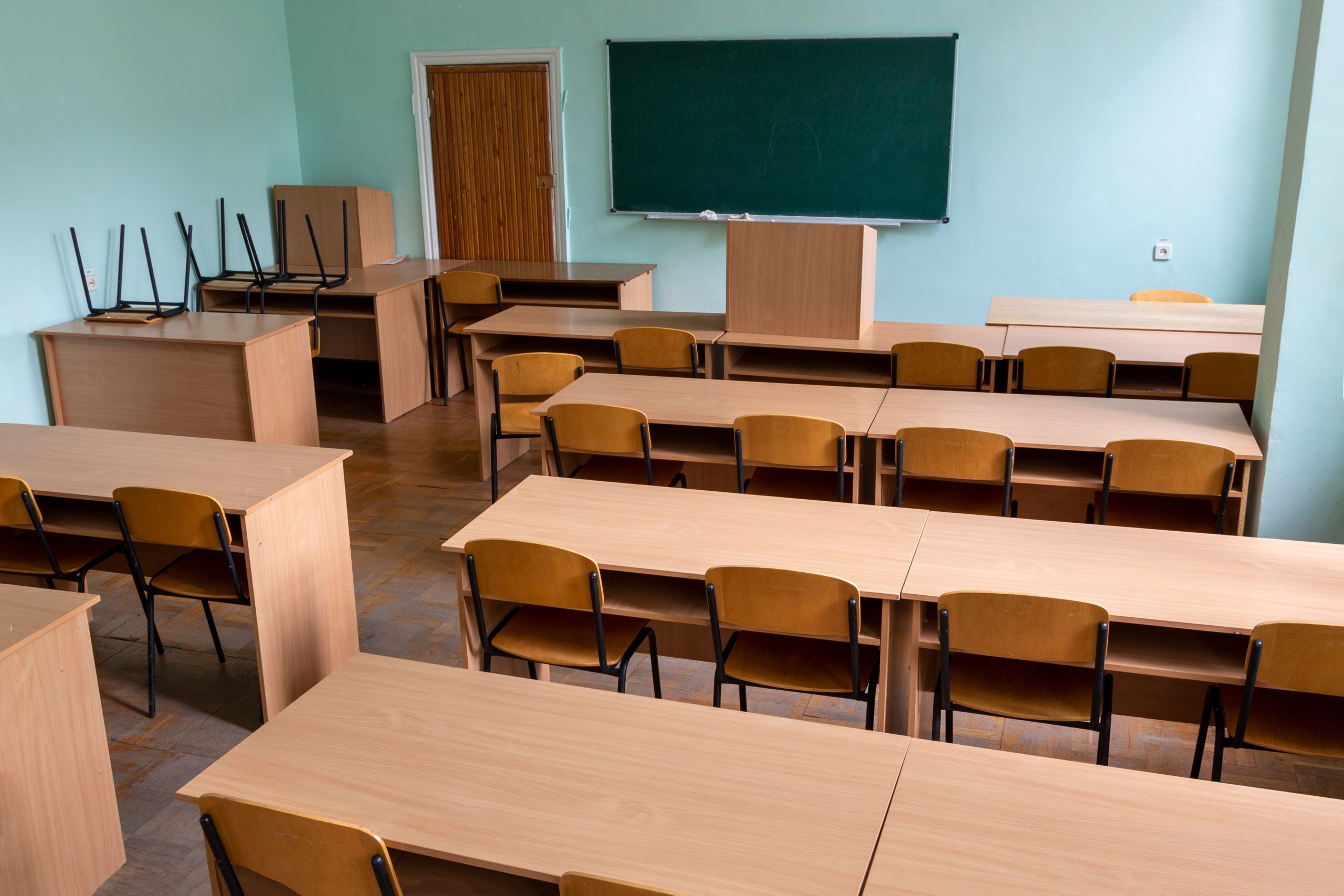
Children also refer to pressure and high expectations from schools, which do not always take wartime conditions into account. Most frequently, children speak about difficulties related to learning: difficulty concentrating, lessons disrupted by air raid alerts; challenges studying without electricity, heating, and internet access; a significant amount of material that must be covered independently; difficulties preparing for the National Multi-subject Test (NMT) and other exams.
Children are often required to organise their own learning, seek out resources, and adapt to challenging conditions. This reflects a high level of resilience, while at the same time pointing to insufficient systemic support.