Childhood Redrawn: Putting responsibility for tech safety back where it belongs
Leanda Barrington-Leach, Executive Director of 5Rights Foundation, introduces Childhood Redrawn, a campaign building support for tech to be safe for children by design and by default.
A year ago, the idea that technology platforms would have to prove they are safe for children might have sounded like wishful thinking. Last week, it sounded more like official European policy.
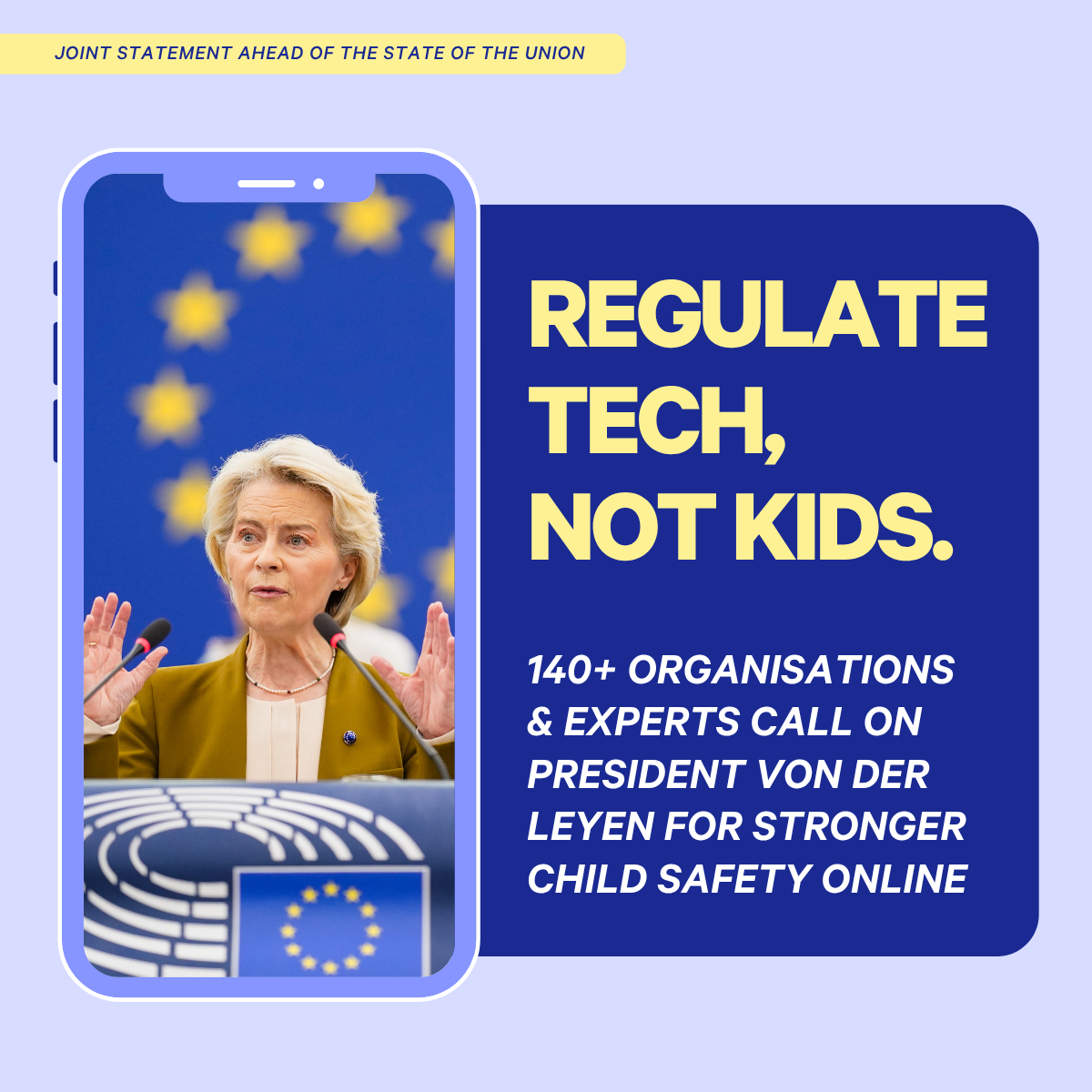
In her State of the Union address, European Commission President Ursula von der Leyen announced an EU Kids Act that the burden of proof would be reversed: platforms will have to prove they are safe for children, rather than waiting for children to be harmed and asking what went wrong. It represents a step change in where responsibility sits for keeping children safe.
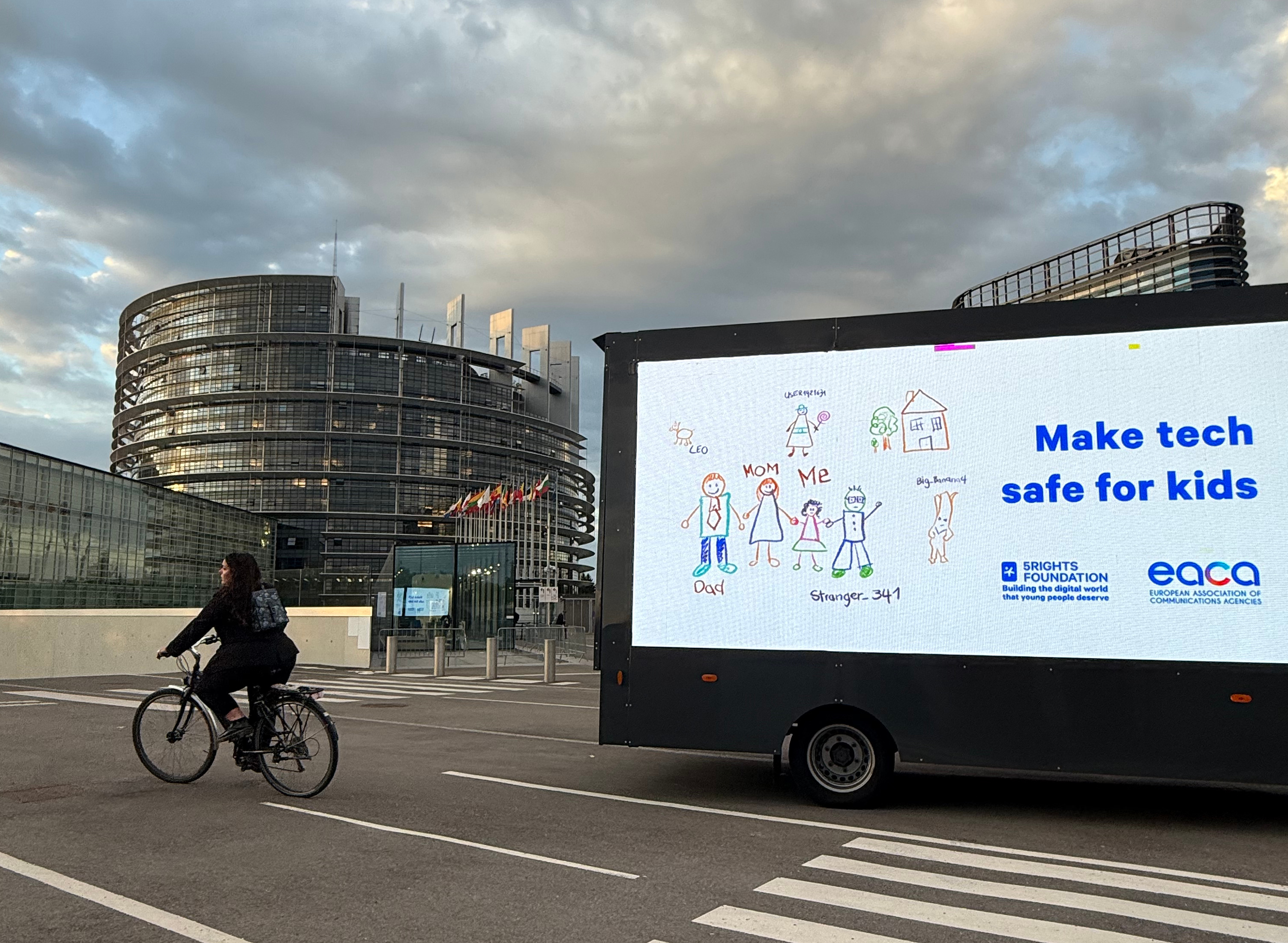
Building support for this kind of change is exactly why, with the support of the European Association of Communications Agencies, we launched Childhood Redrawn.
Through illustrations inspired by children's scrawls and drawings, Childhood Redrawn brings the impact of tech design choices to life. It follows children across social media, games, streaming, messaging, AI chatbots, search engines and education platforms, capturing experiences of anxiety, loneliness, artificial dependency, public exposure and loss of critical thinking. These risks are not inevitable. They are designed. And if people designed them in, people can redesign them out.
For too long, when children encounter harm online, the response has been to ask what the child should have done differently. Should they have spent less time online? Used parental controls? Turned off notifications? Recognised an algorithm was manipulating their attention? Of course parents have a role. But children are entering digital environments designed by adults and often around commercial incentives that have little to do with their wellbeing.
Childhood Redrawn calls for four things: child-safety certification as a prerequisite for technology used by children; a legal ban on personalised services for under-13s; age-tiered protections for all under-18s that evolve as children grow; and regulatory powers to restrict services that expose children to serious risk and harm. Reading the new EU Kids Act, it looks like the European Commission was listening.
None of this is about keeping children away from technology. Children deserve access to its extraordinary opportunities. But we should not have to choose between those opportunities and their rights. We would not give a child a bicycle with faulty brakes and then hand them a leaflet explaining how to brake more carefully. We would fix the brakes. Technology should not get a special exemption.
The detail of the EU Kids Act will matter enormously. The rules must be coherent, comprehensive, future-proof and enforceable, wherever children are and whatever technology they use. At this crucial moment, we must keep the pressure up for meaningful change. You can help by downloading and sharing the Childhood Redrawn campaign assets, now translated into twelve European languages, and helping us build support for a digital world that is safe for children by design and by default.
A safer digital childhood is not something we should have to redraw from scratch every time a new technology arrives. We can design it better now.