How do we address children and disability rights online?
Ahead of the European Day of Persons with Disabilities, Eurochild member, Maud Stiernet, explains how to include children: by involving them and checking their accessibility needs.
Maud is a consultant in accessibility and responsible artificial intelligence. Her work ranges from child participation to accessibility standards through:
- workshops with children on responsible AI, accessibility, and privacy;
- monitoring best practices;
- research related to both United Nations’ conventions on the rights of the child and of persons with disabilities.
She worked on the DataCare project overview for Belgium and as a deinstitutionalisation expert with Eurochild. Maud also co-chairs the group on accessibility for children at W3C to gather information about accessibility needs and recently presented six reasons to consider children’s needs separately from adults with disabilities and ten accessibility indicators for children.
For all children to be included, we need to address their needs in a wide range of contexts and applications. Children using sign language avatars or text to speech applications need to be able to give feedback, contribute and exchange in any situation or low resource environments.
That is why Maud’s work is guided by children and often starts with questions:
- Is there any specific need that is prevailing?
- What are the international framework protecting and empowering children online?
- How are diverse experiences included in the design?
- Are accessibility guidelines mentioned in international frameworks for children online?
- Are multidisciplinary issues considered in online support?
- What are the risks and opportunities of using a chatbot in a healthcare app/ in a crisis situation?
- How do we guarantee the best opportunities for learning and well-being for all children?
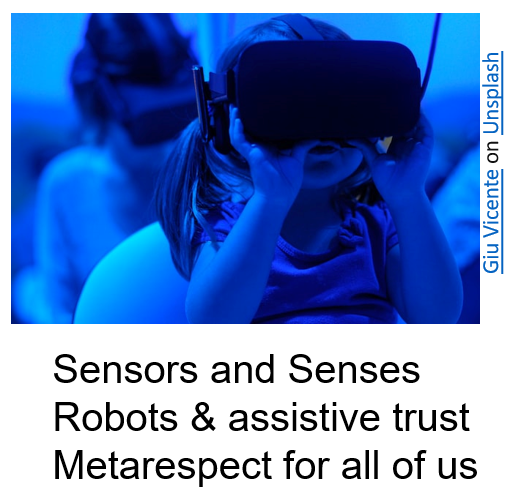
Children’s quotes best illustrate Maud’s participative work:
“I wonder why artificial intelligence should be trustworthy and children, like me, should be predictable?” - L. 12 years,
Computers, privacy and data protection conference 2022 "Protecting the Rights and Ensuring the Future of Generation AI"
« My foster parents help me a lot to prepare contacts. We want to make sure I can manage to communicate and feel well. » Anonymous respondent in survey on disability and foster care 2021 presented at a European Exchange Day on Foster Care.
For more information and to contact Maud, visit: www.alittleliningcomes.com