Pesticides: proposed weakened EU Food and Feed Safety Omnibus could have detrimental impacts on children's health
In a joint letter, Eurochild, CRIN and four other child rights and youth organisations urged MEP Pieter Liese to support the request to study the effects of the Omnibus more rigorously, emphasising its potential impact on children. Our call was left unanswered.
Children are uniquely vulnerable to chemical exposure, including pesticides. A wide range of independent scientific studies have linked pesticide exposure during pregnancy and childhood to a range of severe health issues, including adverse birth outcomes, cognitive and developmental impairments, increased risk of childhood cancers such as leukaemia, respiratory and immune system disorders, as well as hormone disruption affecting growth, reproductive health and puberty.
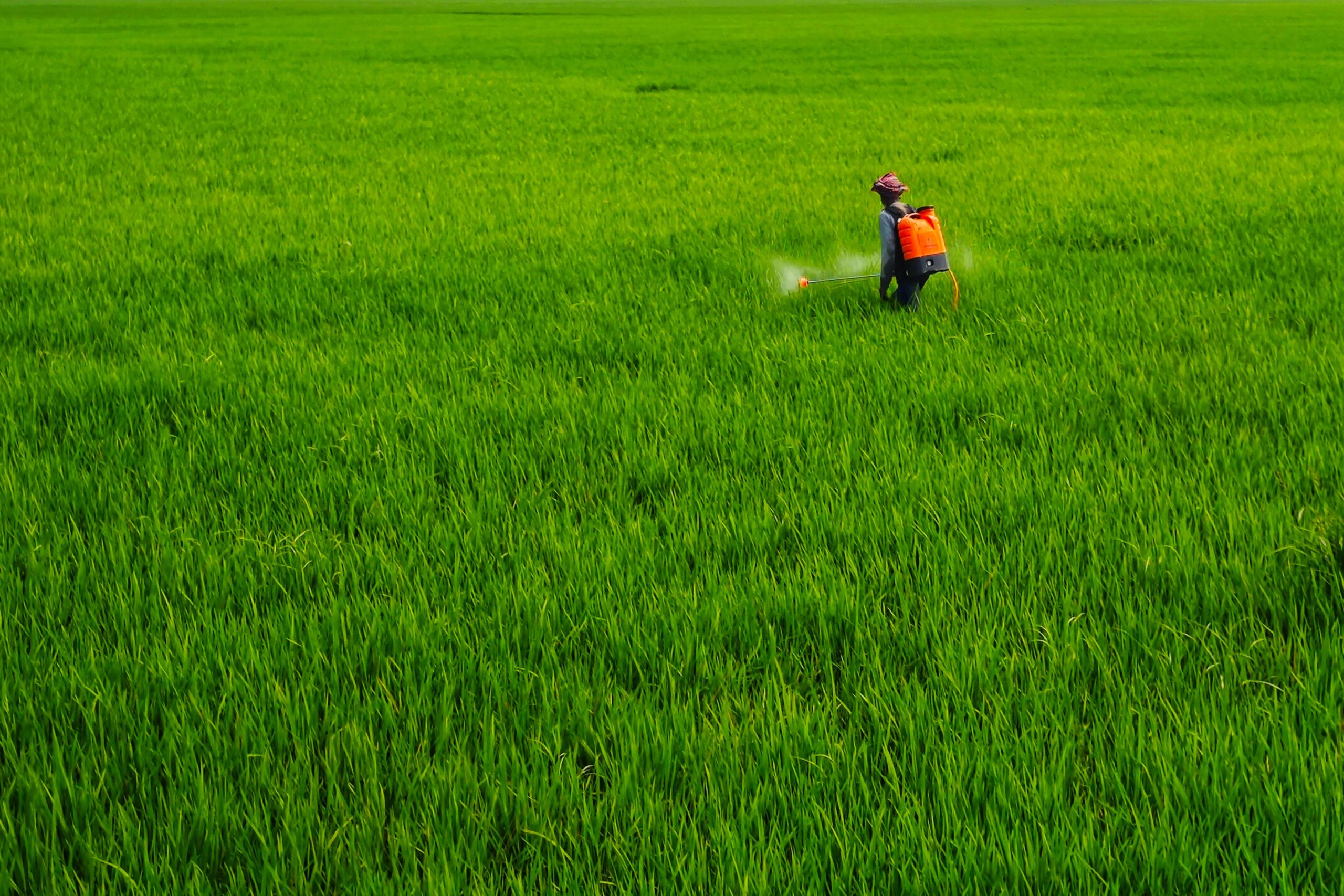
Young people are also impacted by pesticide exposure. Their bodies are still undergoing hormonal, neurological, and reproductive development. As such, they are very sensitive to hazards, including endocrine-disrupting substances such as pesticides, which interfere with the body's hormonal system. Additionally, many young people work in agriculture and seasonal outdoor jobs, where they can face high exposure by handling treated crops and working in recently sprayed areas.
The coordinators from right-wing and far-right groups have rejected the demand for an impact assessment - in a clear refusal to listen to both human rights experts and to science. Just last Friday, scientists from 27 European research institutions published a clear warning in the journal Science against the Food and Feed Safety Omnibus proposal. Their call was also completely ignored.