Towards better child protection systems
Eurochild's expertise shines in a new report by the EU Agency for Fundamental Rights (FRA) highlighting our recommendations for better protection systems across Europe. Blog by Davide Rambaldi, Eurochild Communications Coordinator.
At Eurochild we believe that many children who are separated from their families for protection reasons or because of disability could have remained in their families if they had received the necessary support. For years, and especially since 2013 with the Opening Doors Campaign that Eurochild led in 16 countries, we have been pushing for reforms strengthening families and ending institutional care.
Eurochild’s advocacy to end institutional care for children focuses first and foremost on efforts to better support families and tackle child poverty. Evidence shows that institutions damage children’s emotional, social, cognitive and physical development. Consulting children growing up in care, children’s advocates, and care-leavers while ensuring better data collection and monitoring could better inform policies and drive reforms.
The new report by FRA "Towards Integrated Child Protection Systems" on the situation of children in vulnerable circumstances, including those in alternative care, makes references to Eurochild’s work and demands throughout the publication. It builds on FRA’s mapping child protection systems in the EU and the 27 national reports from the country research.
The report highlights key issues:
- There is no single set of laws to protect children;
- Child protection services do not have enough resources;
- There is no proper budget specifically for children’s rights;
- Risk assessments for children’s rights are not used enough;
- Different sectors do not work together effectively.
Our DataCare project is acknowledged as a crucial source informing FRA’s research, particularly in monitoring children in alternative care and supporting deinstitutionalisation efforts. The report specifically states: “Member States could consider using indicators developed by UNICEF and Eurochild (i.e. the DataCare project) to help monitor the situation of children in alternative care and the deinstitutionalisation process.
Eurochild’s response to human rights concerns in Hungary was also reflected in the reports together with other projects such as Building Children’s Futures which advocated for a child rights-based recovery post-pandemic and the Opening Doors campaign which promoted deinstitutionalisation reforms across Europe.
Moreover, Eurochild’s flagship reports play a crucial role in informing FRA’s analysis. The Growing Up in Lockdown and Political Will or Won’t? reports are cited, reinforcing Eurochild’s research on children’s needs across Europe.
This recognition reinforces the importance of our ongoing advocacy, data-driven research, and strategic collaborations.
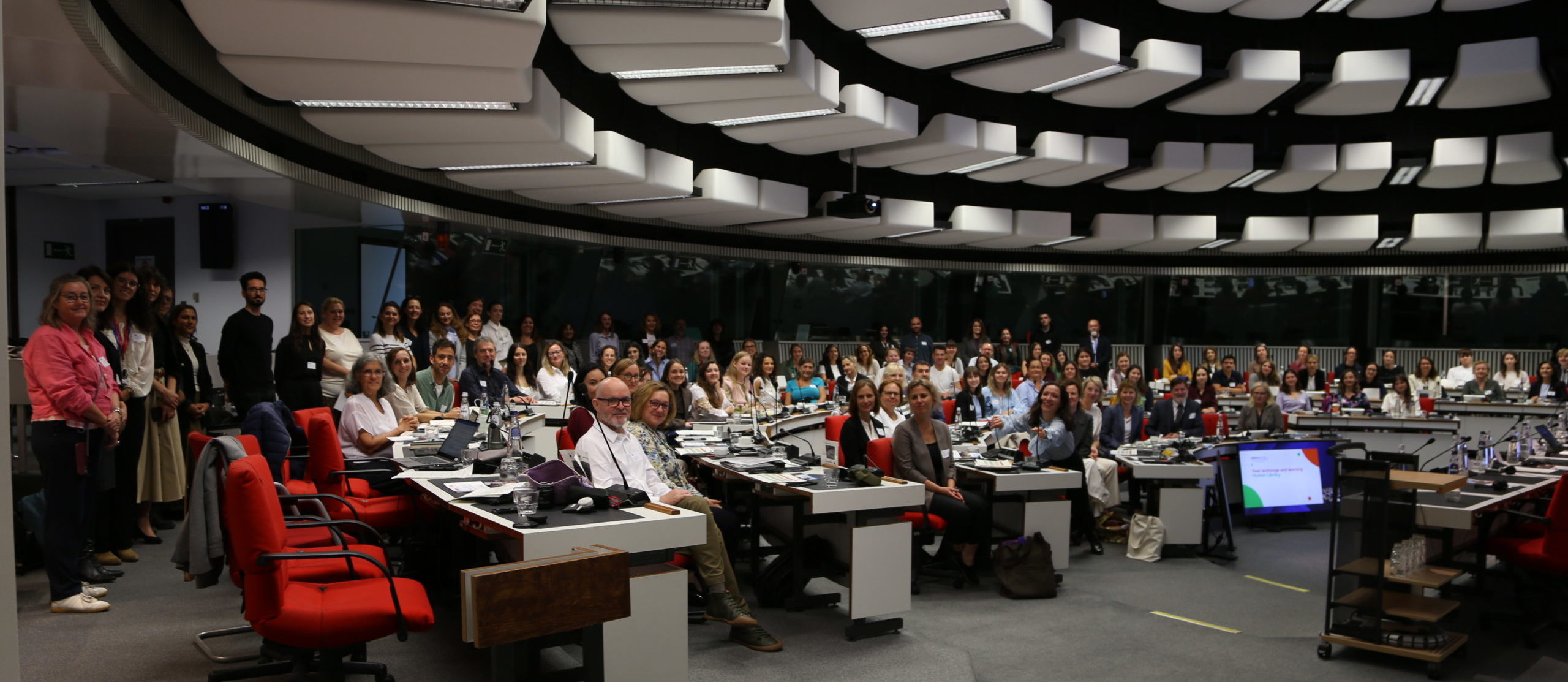
Photo taken from the report by the EU Agency for Fundamental Rights.
Further information: